Matriarchy Rising
June 2026
Hegemonic Cruelty


Patriarchy and its spinoff ideologies are leading humanity toward mass extinction from the exploitation of people and the planet. Self destructive far right governments, redpilled incels, exploitative corporations, and elites that prey on children all uniformly subjugate women. A number of women in the US and UK flippantly call themselves misandrists in the face of male violence and legislation controlling women’s bodies.


Misandrists, feminists, and now people who call themselves matriarchists, are among the challengers to the old order. They’ve gained ground in some ways.
Italy criminalized femicide, #MeToo shed light on dark realities, and the 4B movement in South Korea inspired traction from women worldwide to opt out of cishet relationships and motherhood.
The success of governments with female leadership and profits of companies with female CEOs demonstrate women’s capabilities. Women are moving into a future beyond the cishet nuclear family with its tedious stagnation and labor disputes. And the institutional disregard for maternal, child, and elder care, push them further toward demands for matriarchy.
Endless Predation and Extraction Demands Change

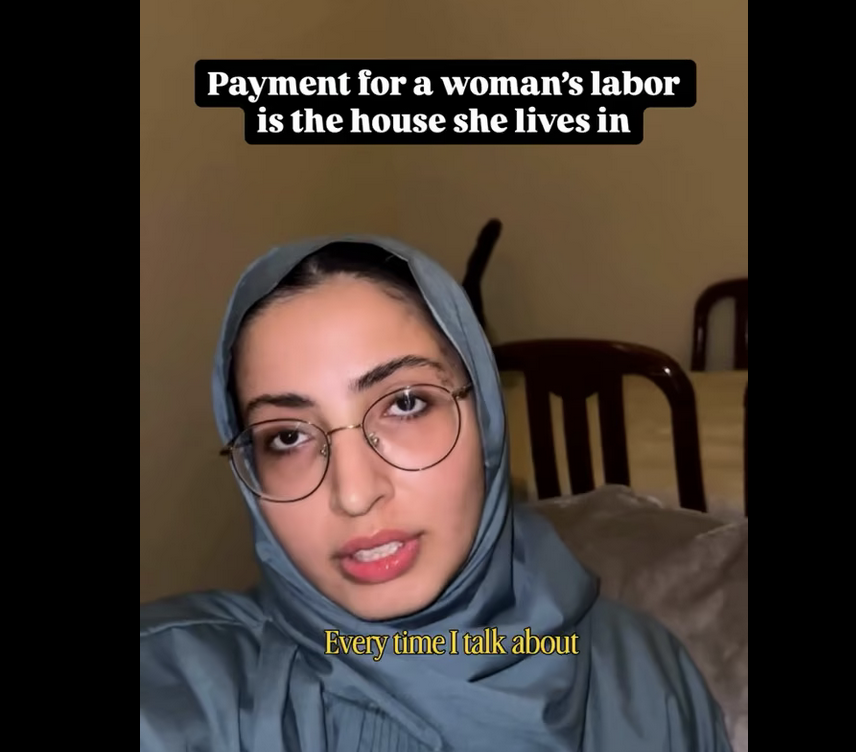

The prospect of love and male benevolence can’t protect women from patriarchy’s grip. 94% of family annihilators are men. An entire family is wiped out every five days because of it. Women are more likely to be killed by their own sons than by strangers. Contrary to popular belief, women aren’t safer at home. Women often find themselves in more danger at home than on the dimly lit route home from work. Whether a man’s territory spans the meager 4 walls of a house or entire countries, his behavior reflects the consistent patriarchal need to control. And this doesn’t even touch upon general male violence stats, sexual abuser stats, trafficking stats, and people who start wars stats - which are overwhelmingly instigated by patriarchal men. And it does not begin to address the widespread issue of extractive non-violent men who still benefit from and enable patriarchy.
The Epstein files, the annual rape festival in Nigeria, the 34 states that protect child marriage in America, the exclusion of children when we think of “people” in general, and the global acceptance, by both men and women, of femicide as “natural” demonstrate patriarchy’s contempt for life and its continual violence.
If Patriarchy is not systematically replaced, women’s rights will continue to fluctuate over time and place. Rights won by feminists of the past won’t exist in the future without a foundationally aligned system behind them. What’s at stake is the unchecked usage and exploitation of women as a capital good and children as perpetual resources--biomass, if you will.
Old horrors will evolve into new shapes with technological advancement, too. Women who laud male-created robots with wombs to grow babies so that they, personally, will no longer be used as incubators will have to reckon with babies farmed as disposable property by men who have never nurtured, or pedophiles who intend to prey on children whose protectors are out of the equation. The Epstein files show they already do this with “disposable” girls’ children. Not to mention abortion laws that amount to baby farming using women’s bodies to feed a foster care system full of traffickable minors.
American Feminism’s Path to Matriarchy
The first phase of American feminism is marked by the women’s suffrage movement, initiated at the Seneca Falls Convention in 1848. This wave centered around the socioeconomic freedoms surrounding middle-class white women, born around urban industrialism and socialist politics. It was a long battle against racial hierarchy and patriarchal divisions until black women’s struggles were included in the fight. From Sojourner Truth’s “Ain’t I a Woman?” speech in 1851, through the civil rights movement, black women were often excluded and disregarded as inferior and inhuman, even as their labor propped up major victories.
The second wave of American feminism spanned from the 1960s to the 1990s. In 1960, the Food and Drug Administration approved the first oral contraceptive. Sexual expression and reproductive rights were the hallmark of this wave, as well as the push to establish the Equal Rights Amendment to require social equality regardless of sex. Women questioned the culture of purity, and their assigned roles as domestic, demure, and eager to serve.
The second wave secured legal protections for battered women, saw more women in leadership positions, and increased access to education. However, the gains mainly benefited white women, while disregard for African American women and other minority groups persisted.
The third phase of feminism began in the mid 90’s and developed alongside the age of the internet. With many aspects of womanhood being recognized as non-homogeneous regarding sexuality, bodily appearances, and heteronormativity. Young women reclaimed both beauty and brains, asserting that aspects of womanhood aren’t mutually exclusive.
It was also during this phase that it was not only normalized, but popular for men to consider themselves feminists in growing numbers.
Recently, a fourth wave has emerged that remains hard to characterize. Those who identify with it reject standardized objectives, as true feminism must consider intersectionality. And when differences in race, identity, sexuality, and economic status are considered, the remedy to patriarchy depends on the circumstances of individuals and their associated subcultures.
Furthermore, the common theme of every feminist movement thus far has been the dominance of choice feminism, which closely aligns with white feminism. It delineates that every choice a woman makes is feminist, no matter how racist, sexist, or homophobic that choice is. The point is that she had the freedom to make an autonomous choice in the first place. It is an incomplete form of feminism that doesn’t decenter white supremacy and colonialism, i.e., continues to facilitate the origins and routine violence of patriarchy. Women of color, especially black women, most often cannot choose the more misogynistic, patriarchal choice, as it could lead to their loss of life. The stakes are higher for women who identify and are perceived to be part of marginalized communities. And it is this disregard that works antithetically to feminism and actively exploits minority women politically, sexually, and economically.
Today, there is a deep desire to see a culmination in the feminist movements as greater systems unravel. This brings us to the current ideological momentum toward Matriarchy.
Dismantling Patriarchy and Structuring Matriarchy
The dictionary definition of matriarchy is a family, group, or state governed by a woman, or a system of social organization in which descent and inheritance are traced through the female line. But working definitions currently at play have greater needs for egalitarian systems to undo the damage of patriarchy toward people and the earth.
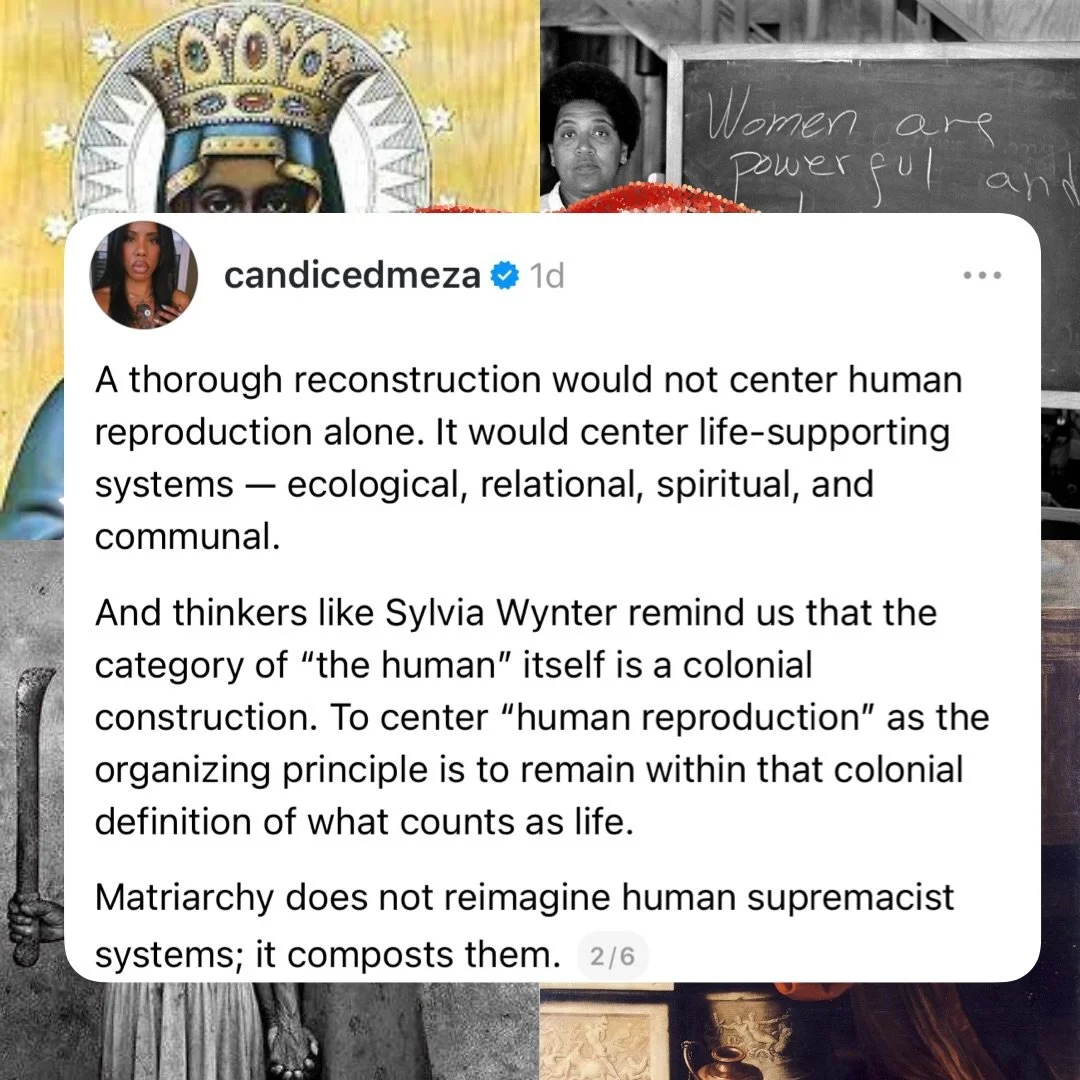
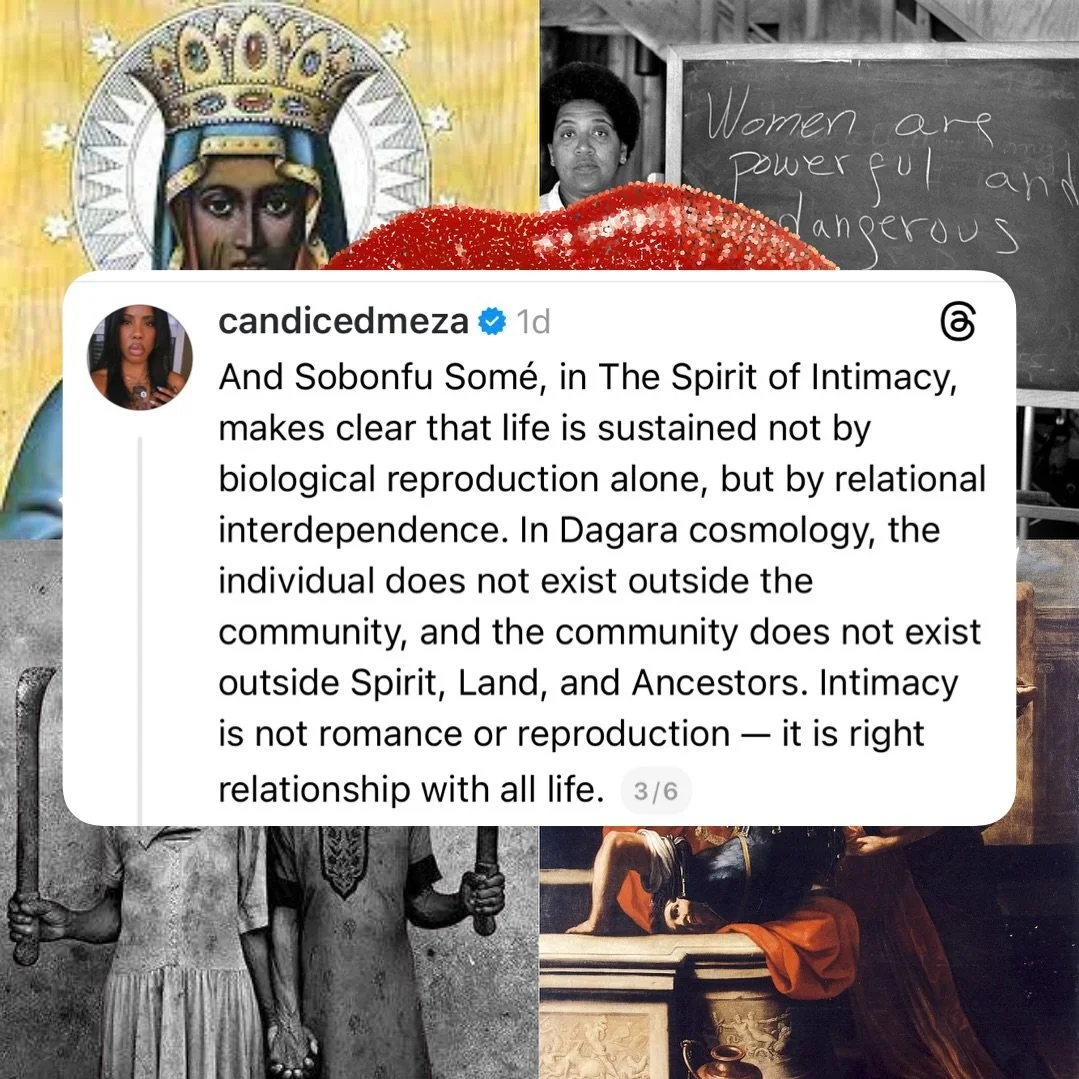
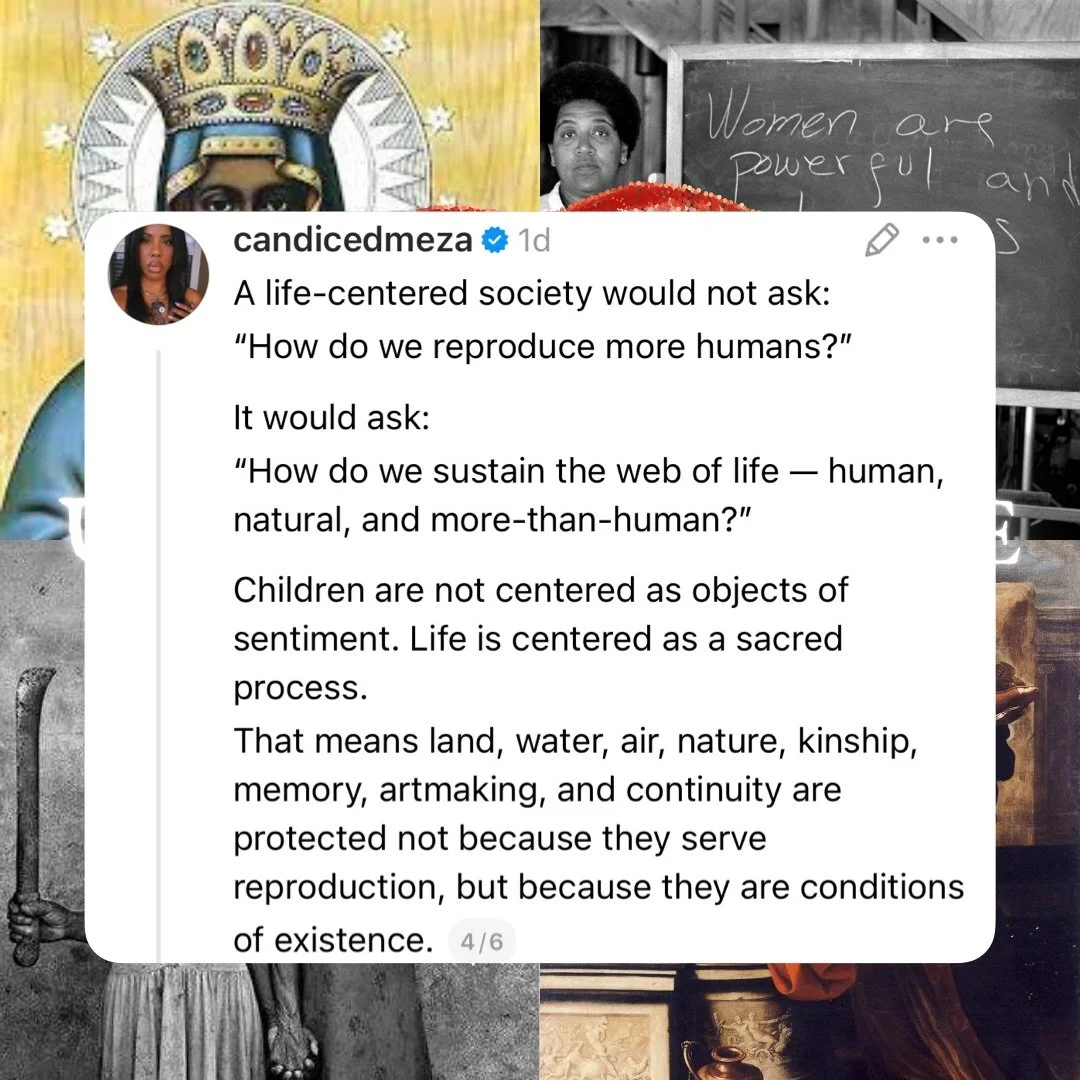
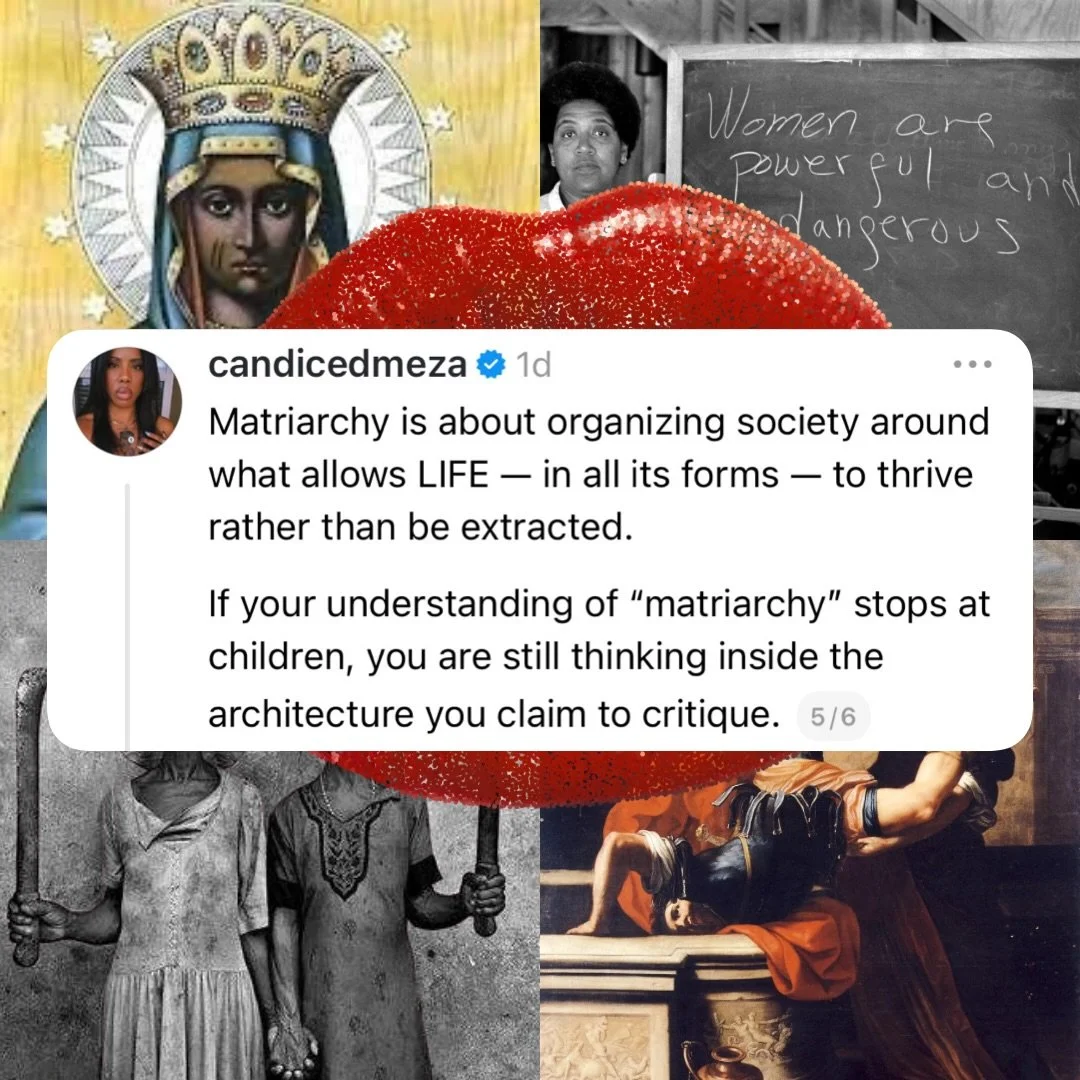
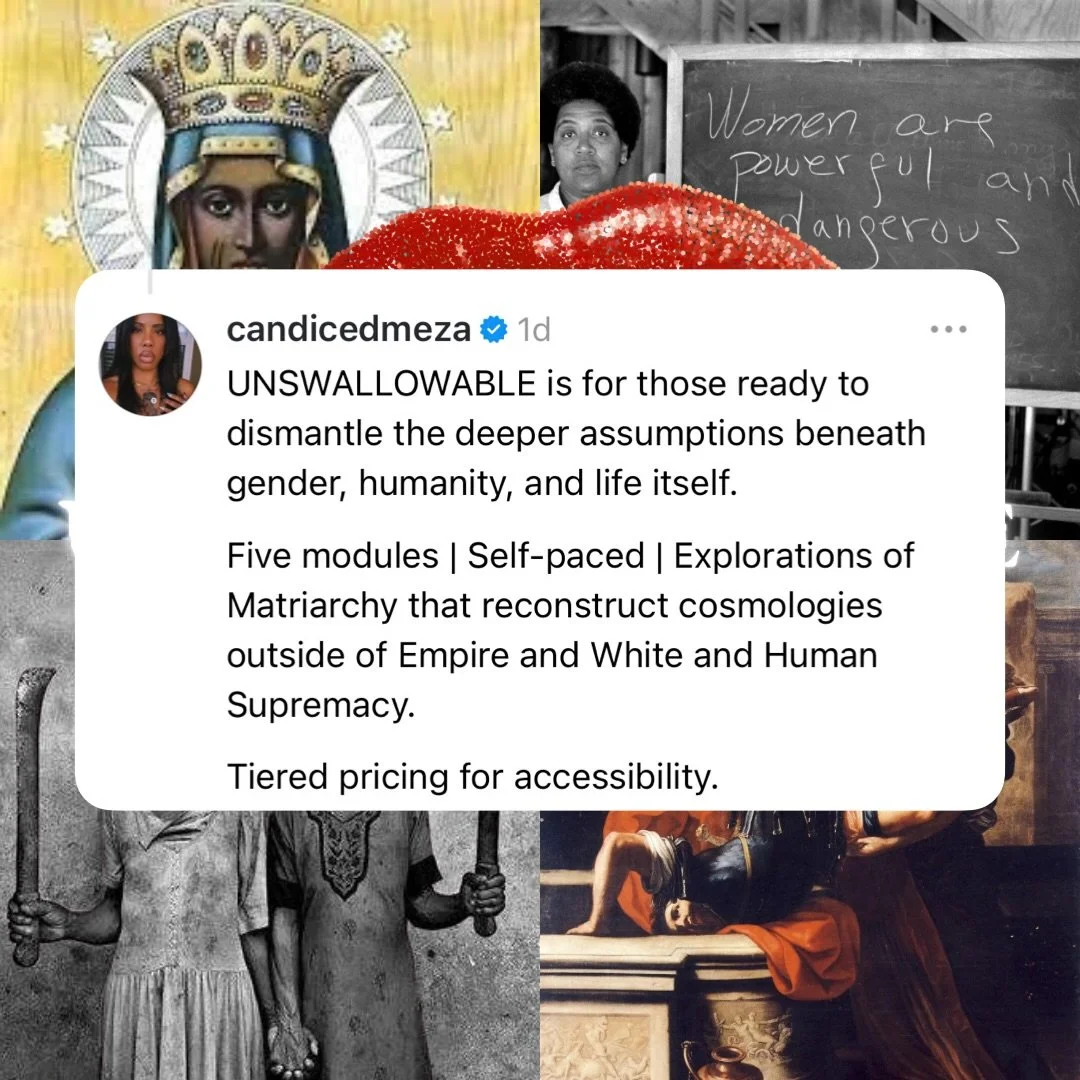
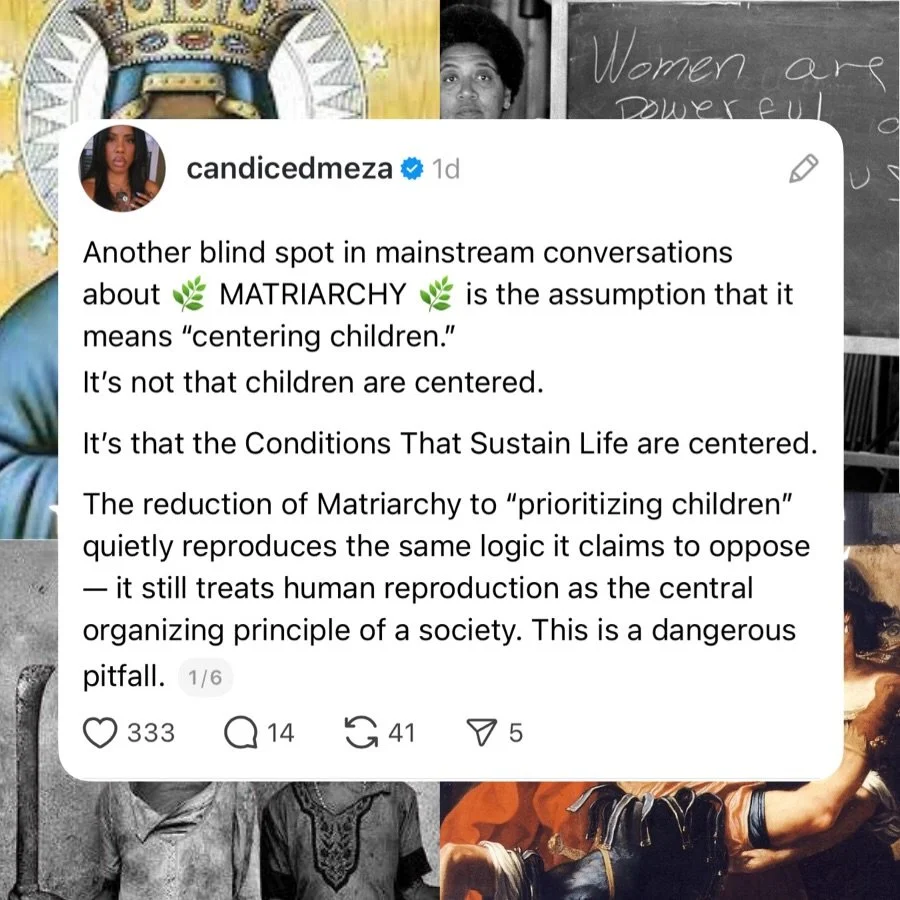
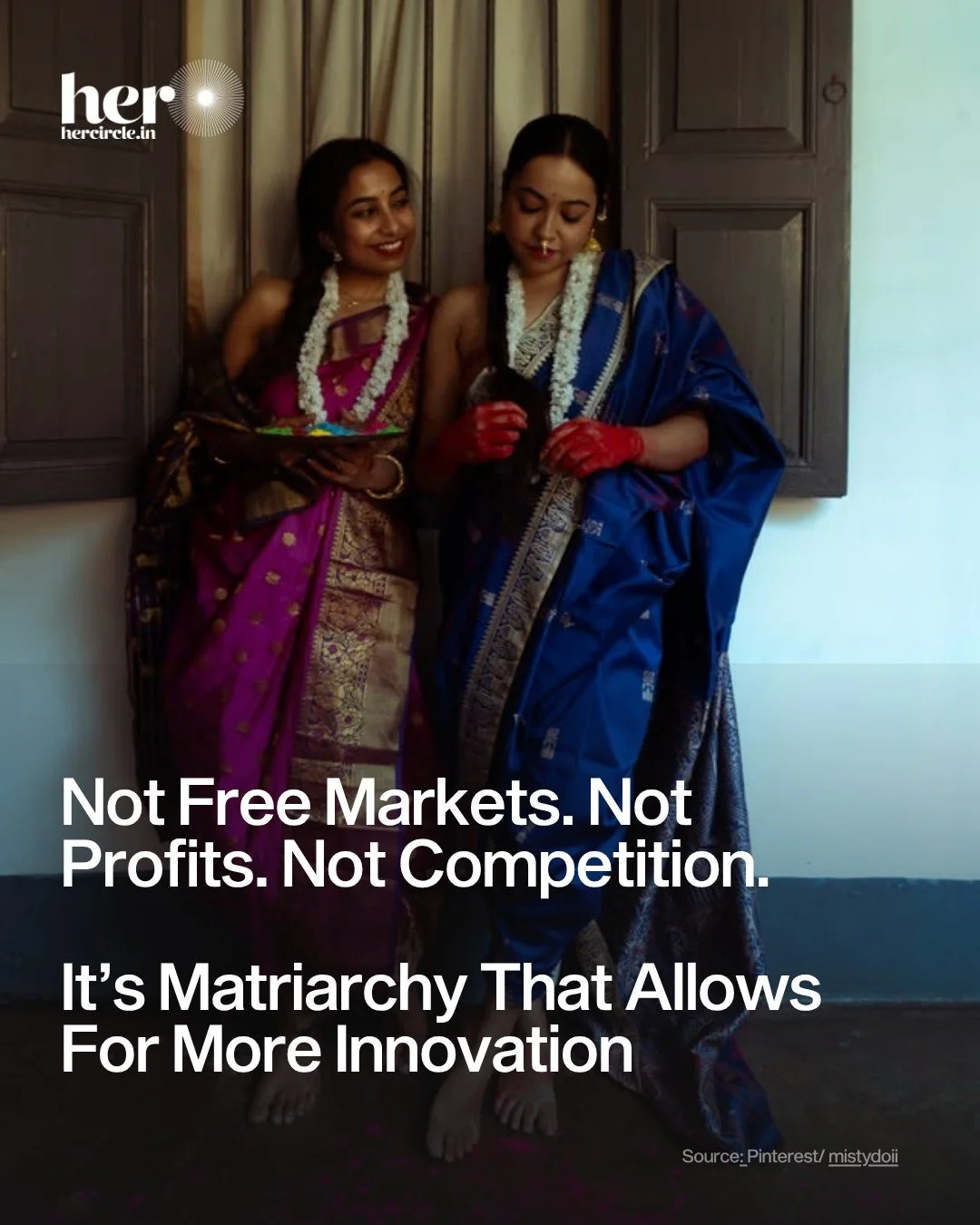
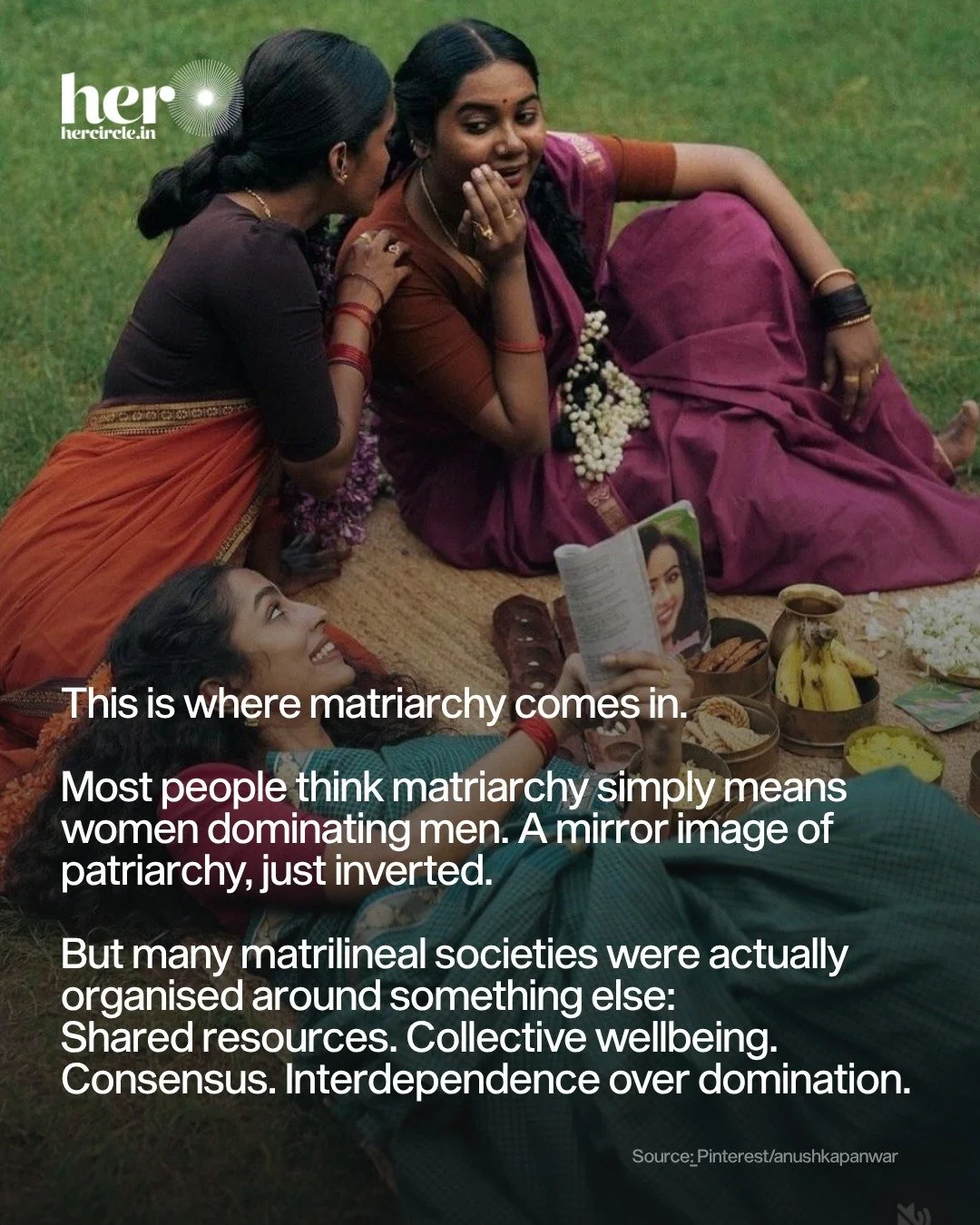
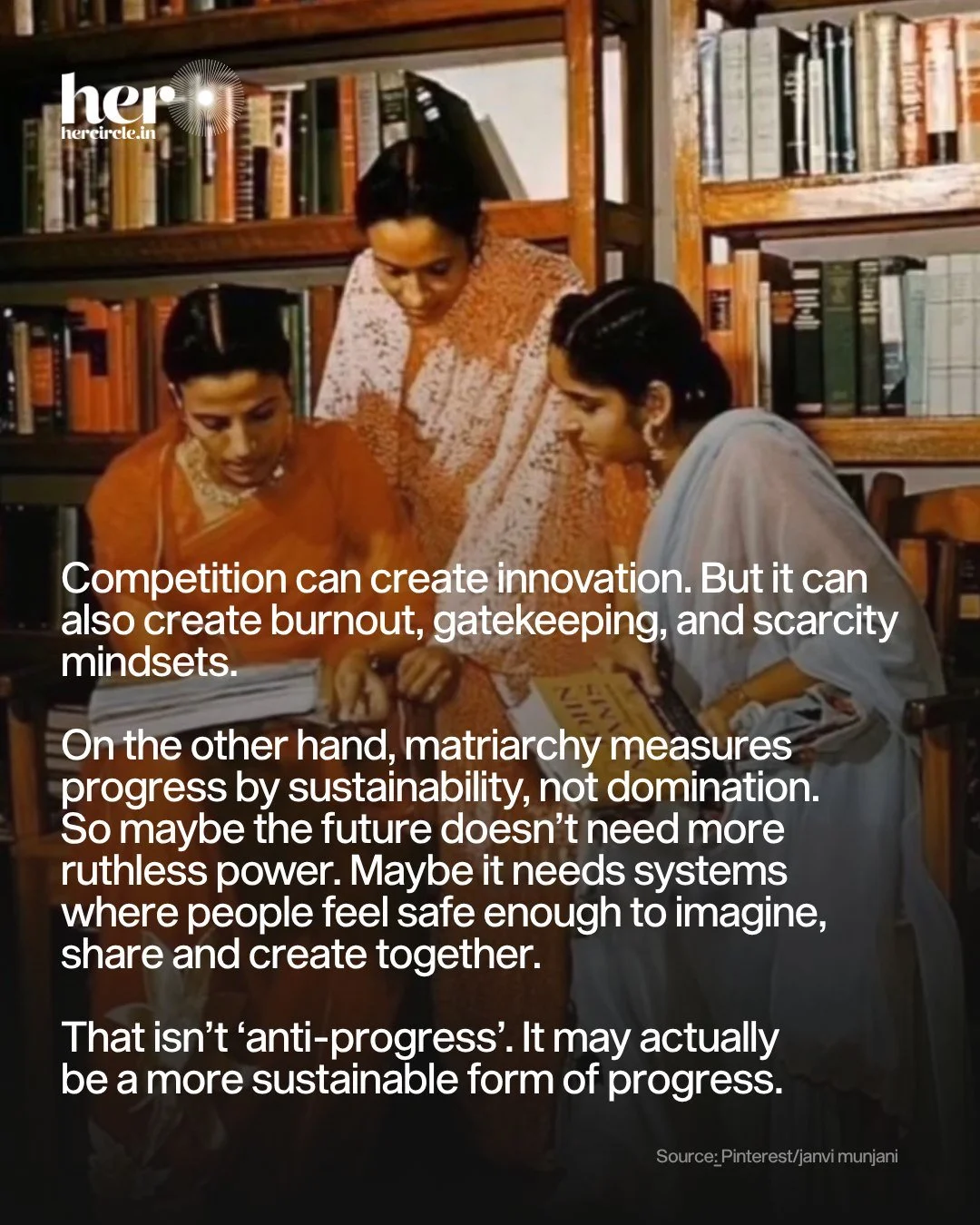
The most prominent idea is that matriarchy is a circle of shared power, rather than a triangle of hierarchies as found in patriarchy. The cyclical collaboration dispenses power to all who may engage with the system. It is inherently anti-capitalist. Within matriarchies, the mark of success isn’t measured by productivity, output, or status. Some may emphasize that there truly is nothing else to own other than one’s mind and body. It respects every human, including women’s biological needs, and the day-to-day time and energy freedom that so many are chasing in a patriarchal world.
It posits that patriarchy is based on male nature before their emotional and mental maturation. Patriarchy wasn’t a system that was meant to foster the emotional, mental, and spiritual progress of humanity. It was a system that, for all intents and purposes, preserved the relevance of the men who felt threatened by older matriarchal ways.
The shape of triangles is a great representation of what patriarchies are: the 1%, typically being sociopathic males, being pedestalized based on the labor, exploitation, and participation of the 99%. Taking away the rights, the social equality, and the well-being of women, children, and even animals allows the smooth functioning of the patriarchy.
To disrupt this hierarchy, there are short term strategies at play while long term visions toward matriarchy coalesce.
Short Term
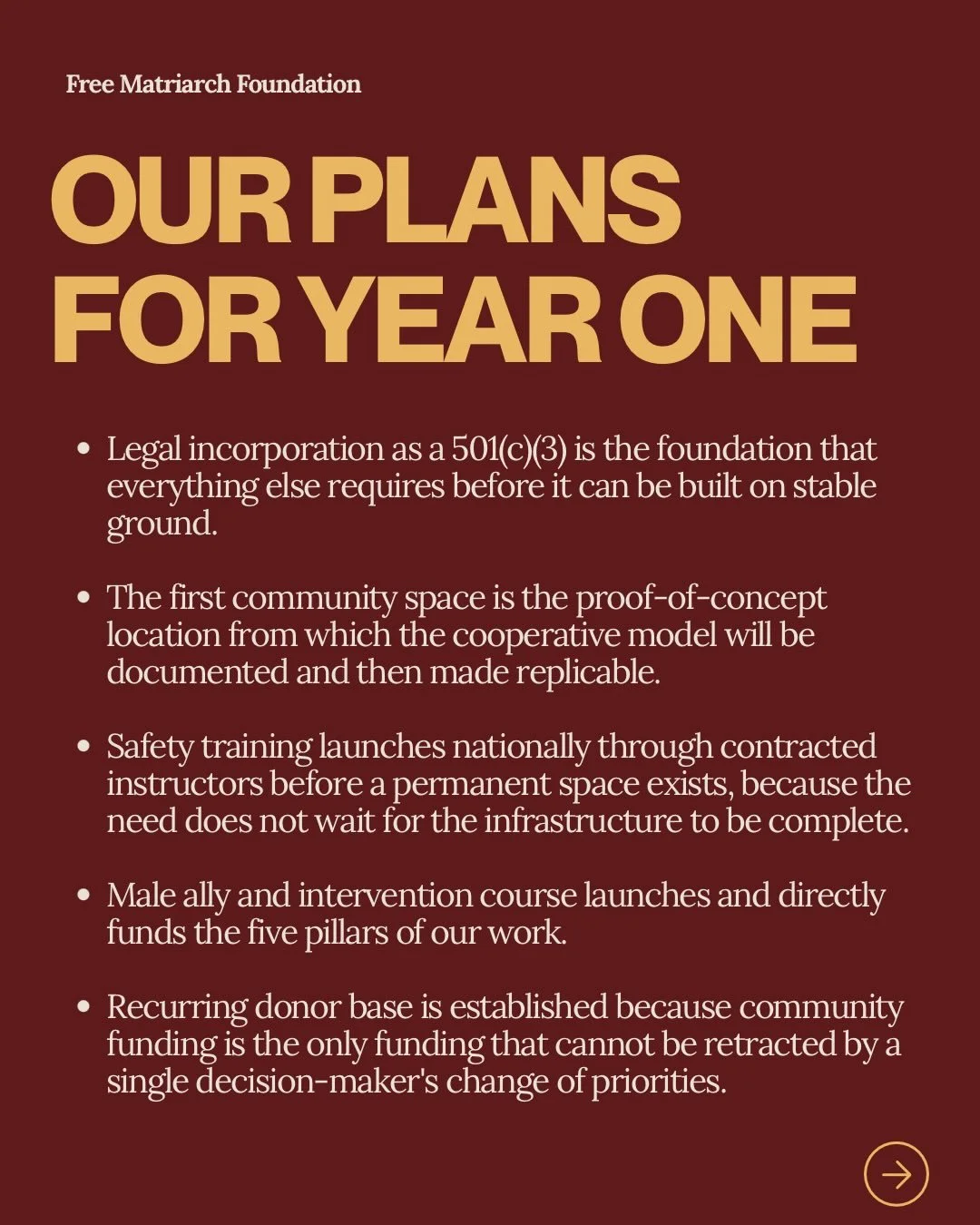
In the short term, feminists create pockets of safety, accumulate power within patriarchy, and build language for paradigm shift.
Pockets of safety are physical, digital, and legal.
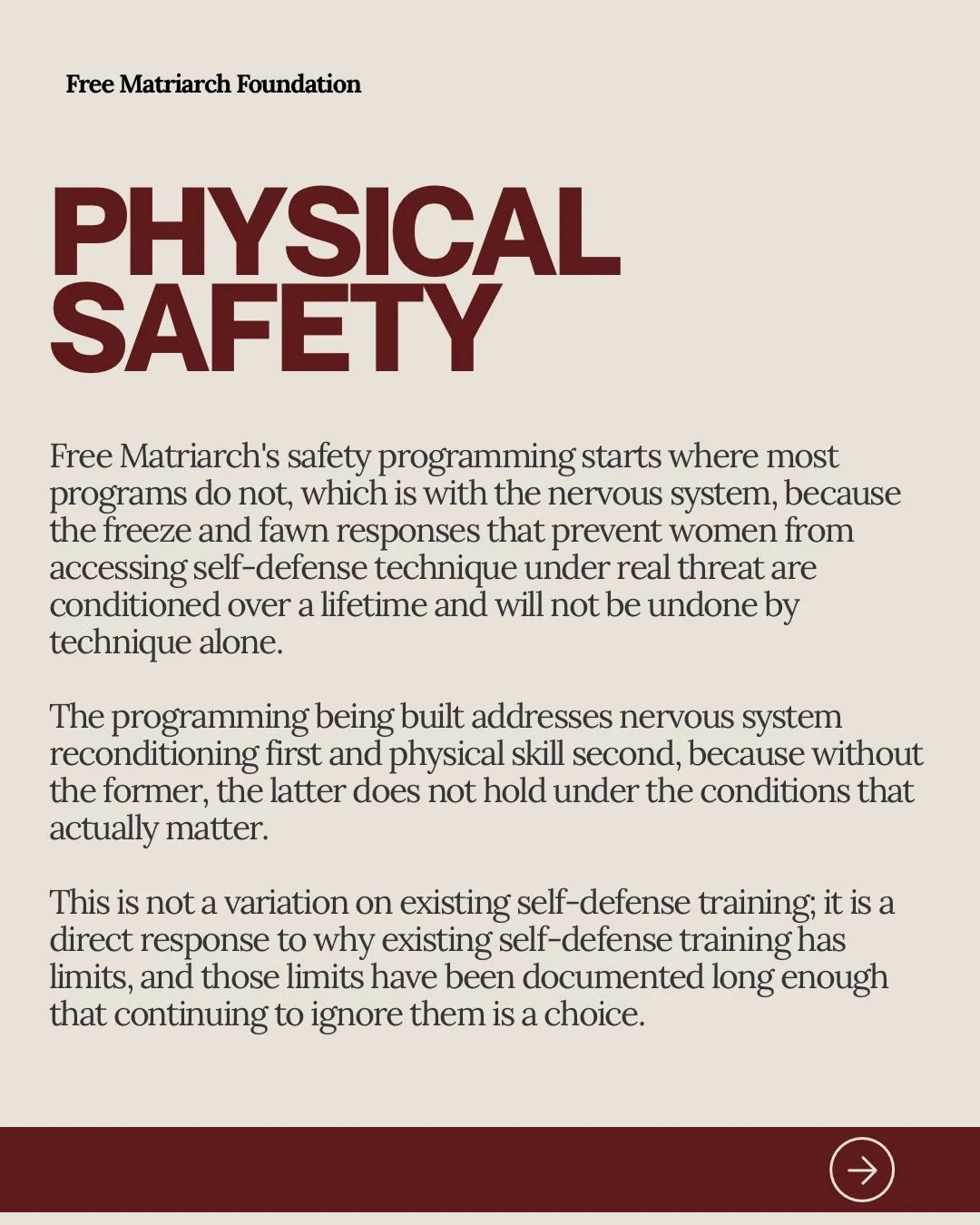
Physical safety may look like domestic violence shelters and women’s colleges, but also the Gulabi Gang, or ‘Pink Brigade,’ a vigilante group in India composed of women who beat perpetrators of domestic violence, child marriage, and corruption. Or Aleti Crystal, whose goal is to beat up at least 1,000 abusive men by 2027. Many women have opted hobbies such as martial arts, shooting, and tactical self-defense.
Digital pockets of safety include the proliferation of online support for women spreading tools to spot abusers, bridge gaps in functional but very cishet relationships, secure financial independence, travel safely, and support mothers. Some examples include the following:
Apps
Communia
SheCenter
Peanut (connects moms)
Facebook Groups
The Burned Haystack Dating Method (for people engaging with men romantically to spot abusers or problematic men)
Bridging the Gap (to bring a committed cishet relationship worth sustaining up to par by bridging gaps)
Ladies Financial Salon
Solo Female Traveler Network
Single Moms Unconventional Travel Itineraries
Discord
Matriarchy Revival Discord
Sasha’s Quiver (For more separatist, defense organizing)
Legal pockets of safety look like legislation within patriarchal systems. Examples include marital rape laws, minimum age of marriage laws, the Equal Rights Amendment, parental leave laws, funding for women in STEM, funding for Planned Parenthood and domestic violence shelters, and all other bandaids to survive patriarchy.
Accumulating power within patriarchy looks like progressive women holding elected offices, and acquiring financial success, whether in tech, finance, or other lucrative industries.
Meanwhile, feminists and matriarchists build language and ideas for paradigm shift. Take, for example, this range of cultural creation at play:
Podcasts
Audacitea
The Gynarchy
Liberating Motherhood
Moms of the Millennium
Blogs
Zawn Villines
Authors
Laurie Penny
Soraya Chemaly
Music
Paris Paloma’s “Labour”
Peachkka’s “Fertilizer”
Farideh
Social Media
hope peddler, abby eckel, mean bad horrible woman, yv_edit
Umm Zakiya Male Supremacy 101, Emaan Said So (Muslim women creators representing matriarchists even in religious communities)



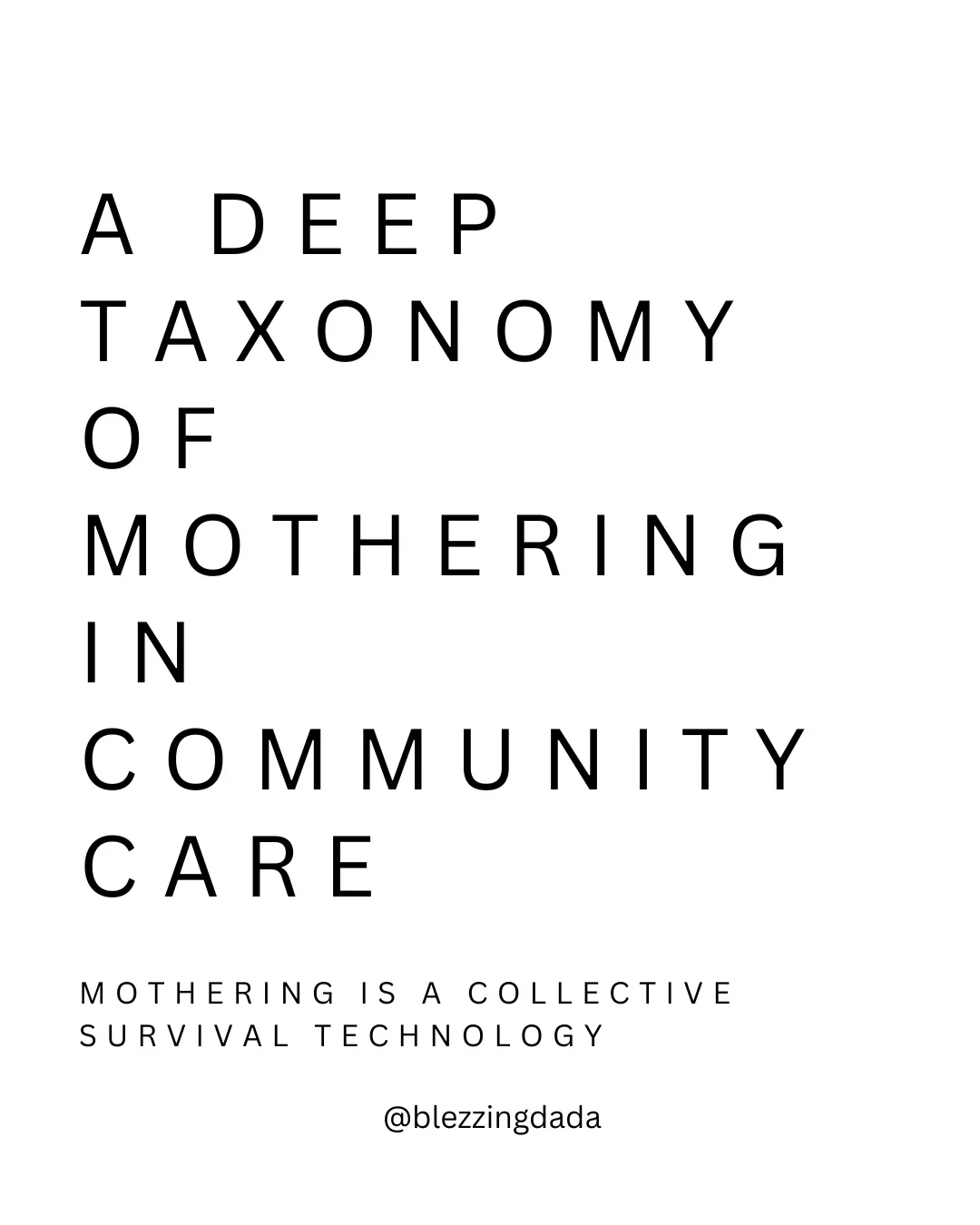
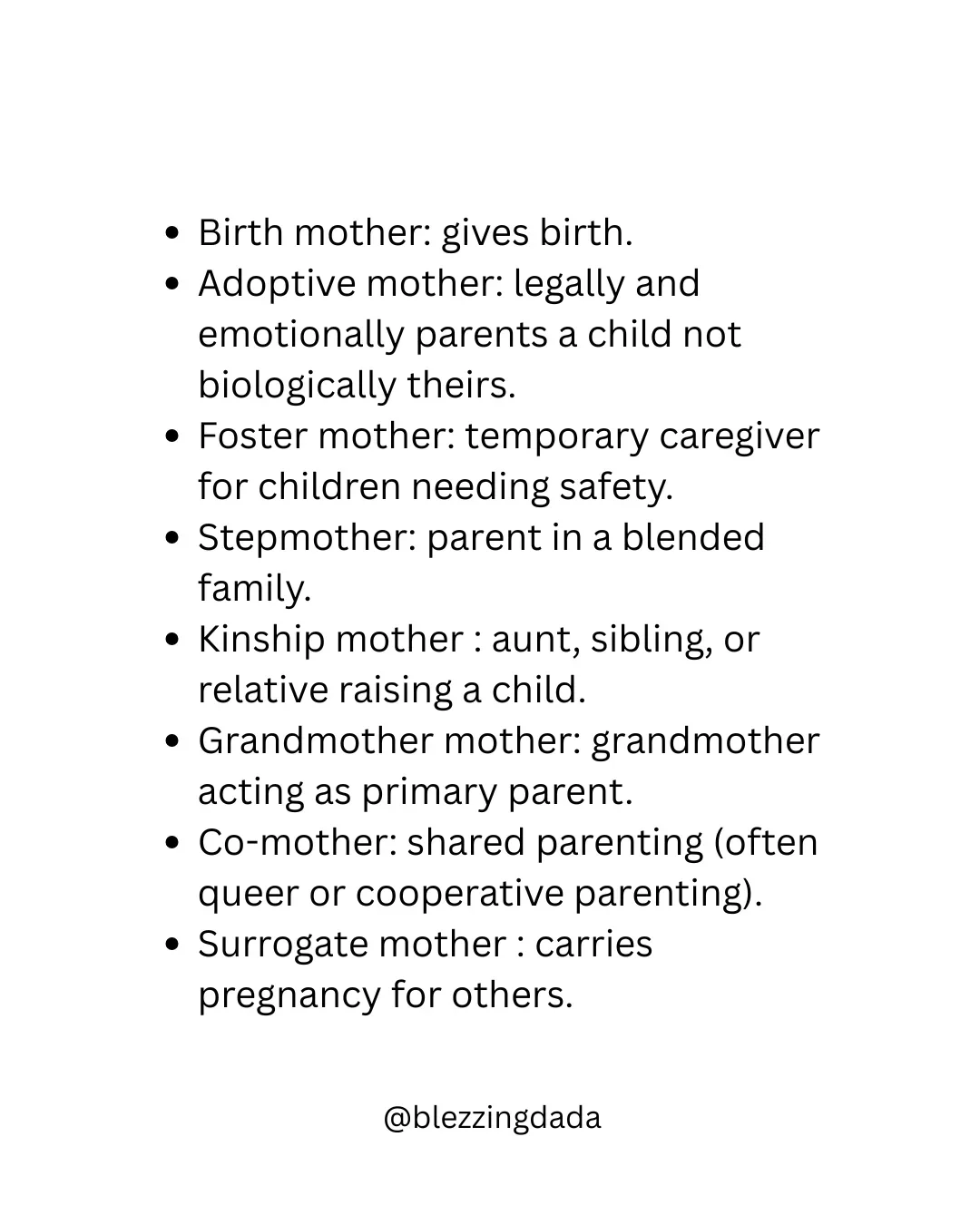
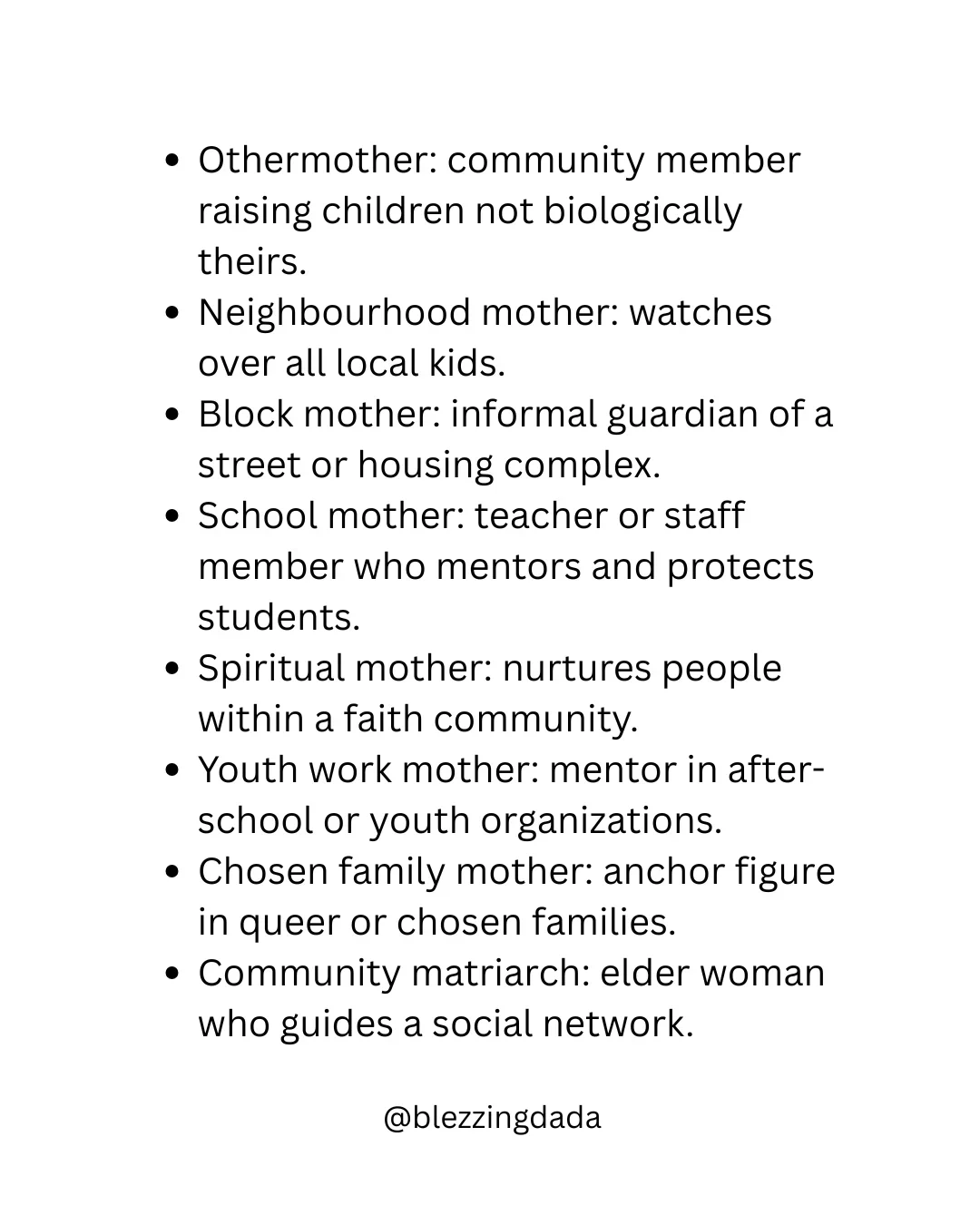
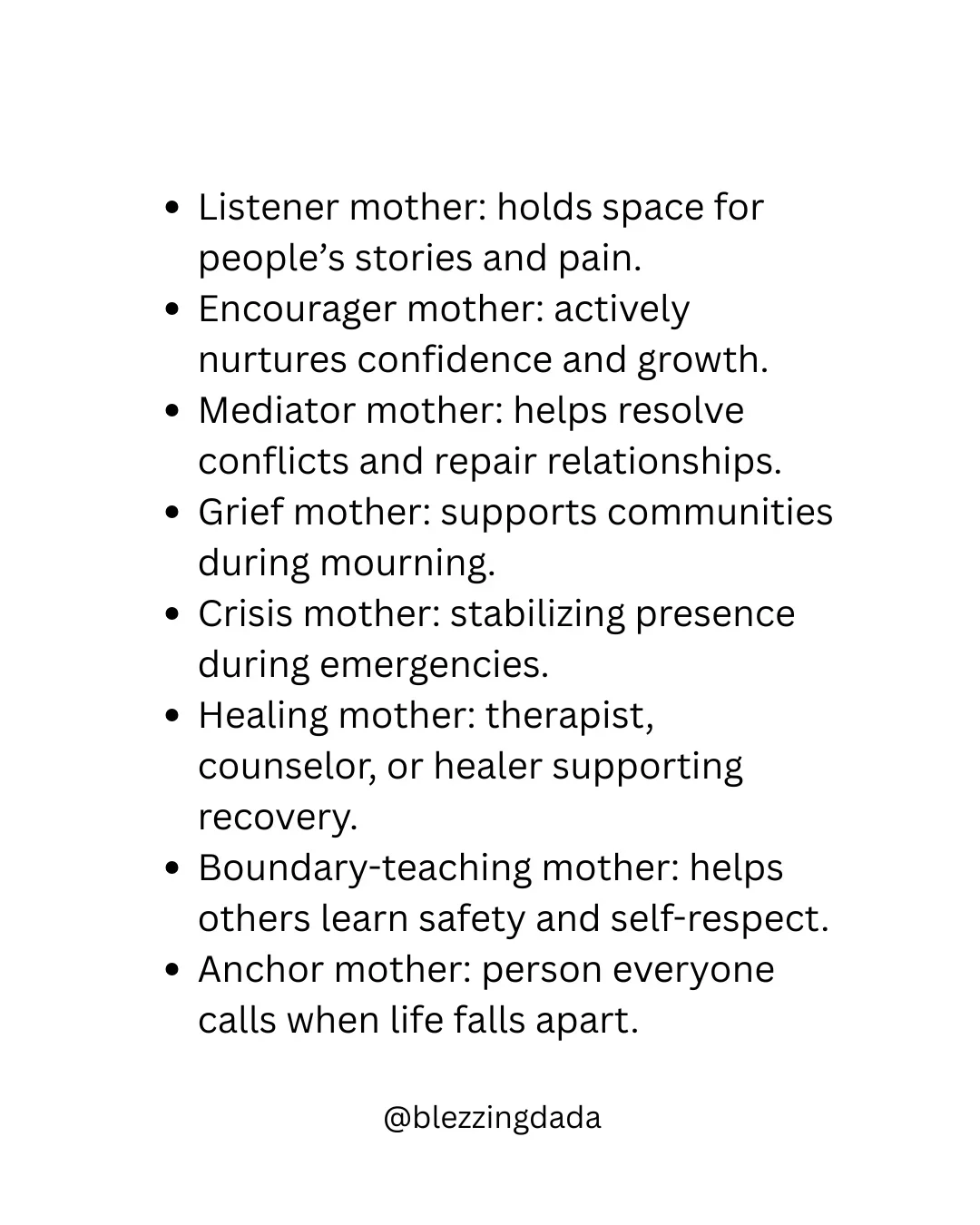
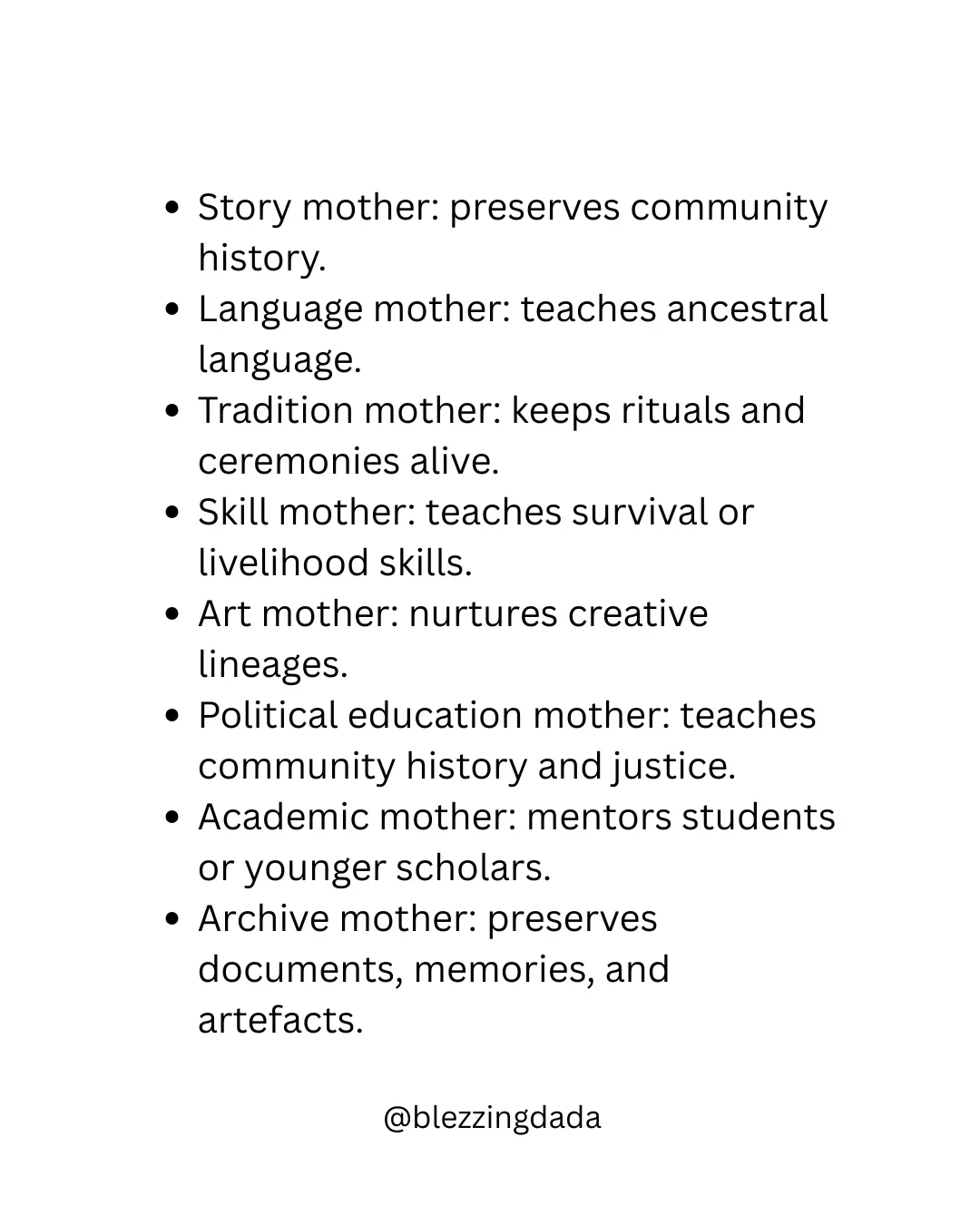
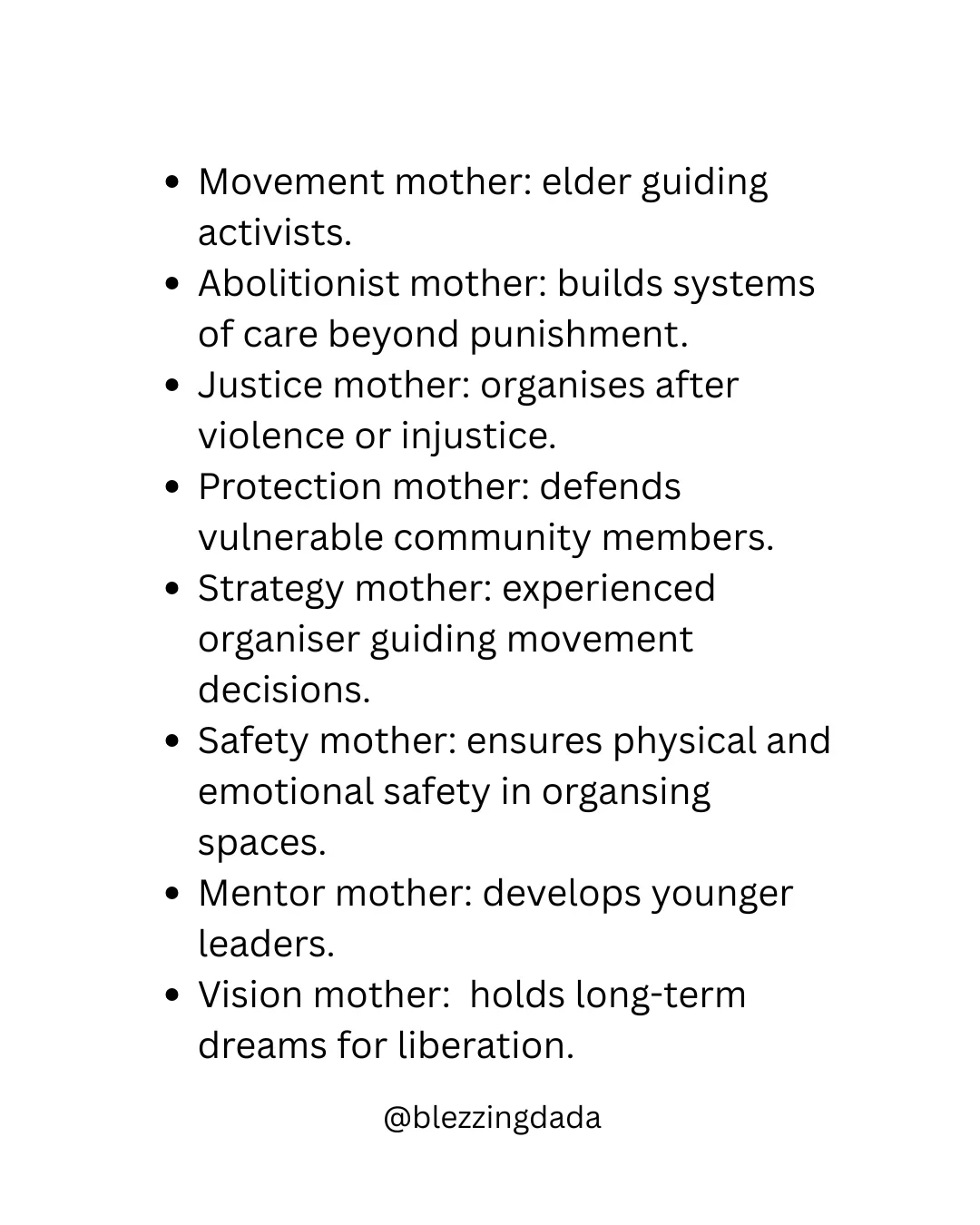
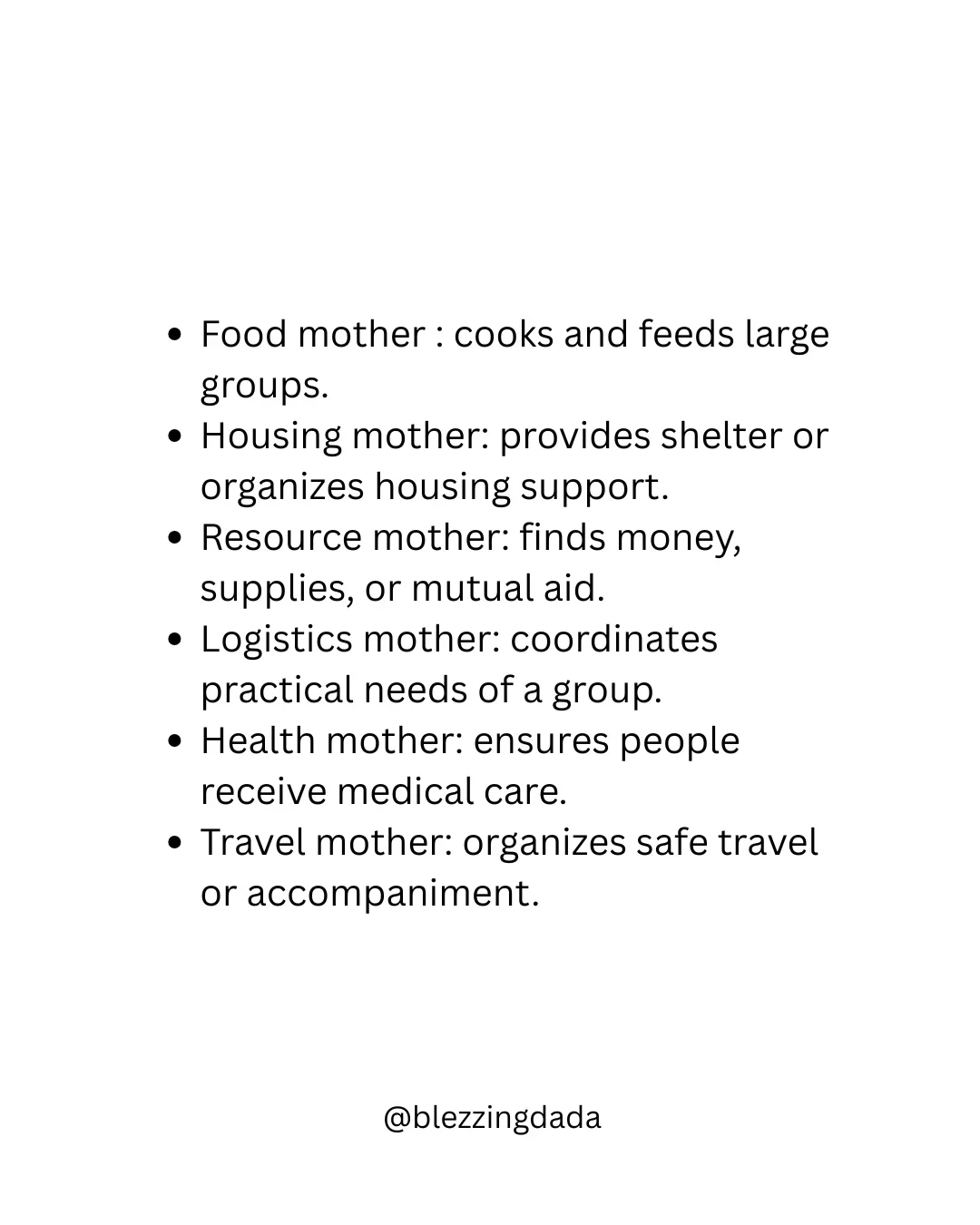
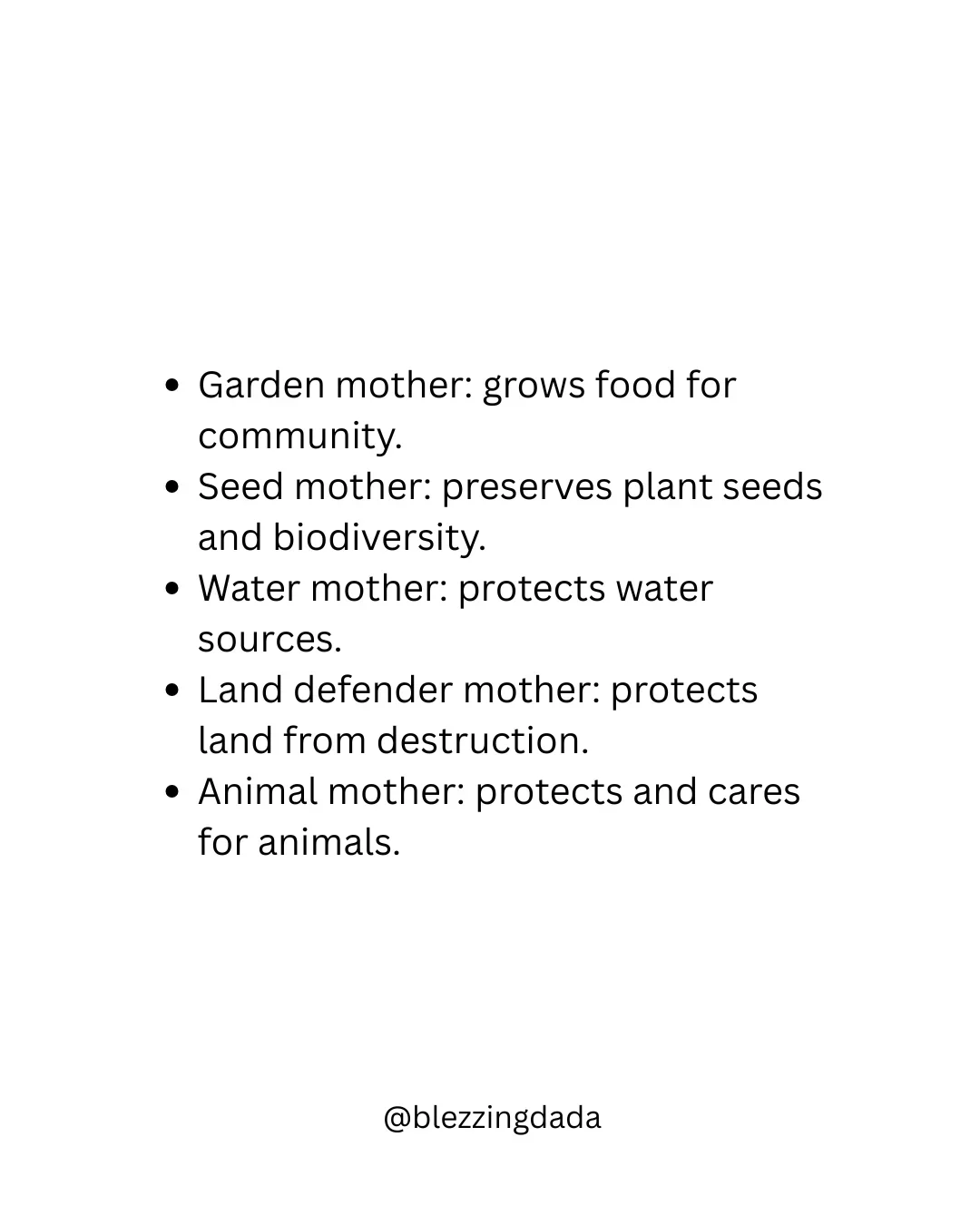
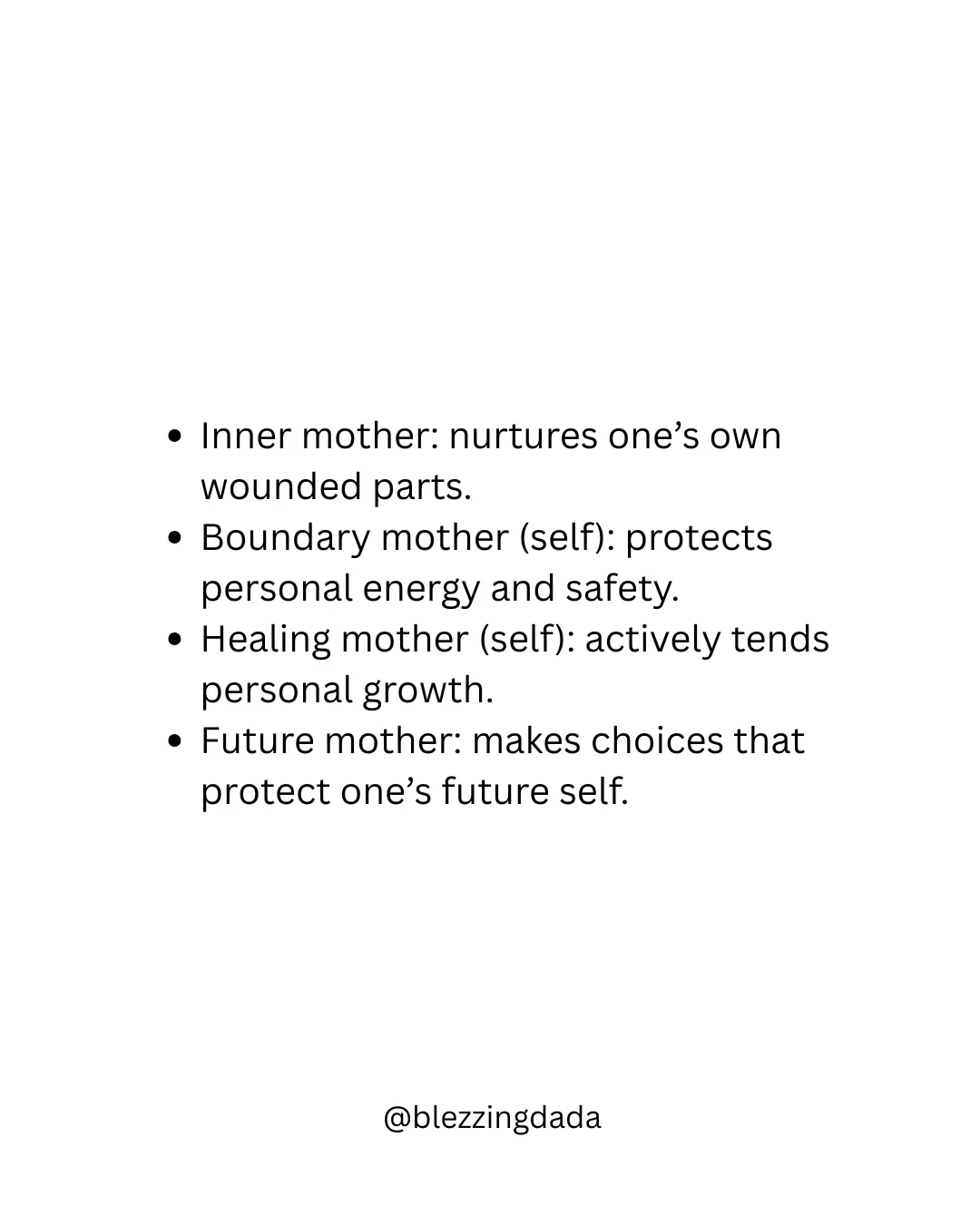
Not to mention people amplifying words for common violence that is otherwise not treated as newsworthy because it’s so normal, like Uxoricide, the killing of one’s wife.
Spiritually, some women are turning to indigenous practices with matriarchal roots that are free of subservience and reliance on men’s benevolence.
Decentering Men
A short to long-term re-orientation underway for many women is the practice of decentering men. Decentering men is a way to separate from patriarchy and create parallel systems, and can range from separatism to militarism.
With women having increased access to education, financial resources, and independence, statistics show they are now outpacing men by economic metrics that once favored men. With increased access to resources and socioeconomic mobility, women have not only found historic independence from men, but have also found that dating the average man would require settling for a lower standard of life. In fact, single women are happier by almost every metric than single men, and single women outperform married women by metrics of wellbeing and happiness as well. Even women in precarious situations who’ve found themselves financially dependent on an abusive man may choose not to continue making decisions centered around the comfort of their abuser.
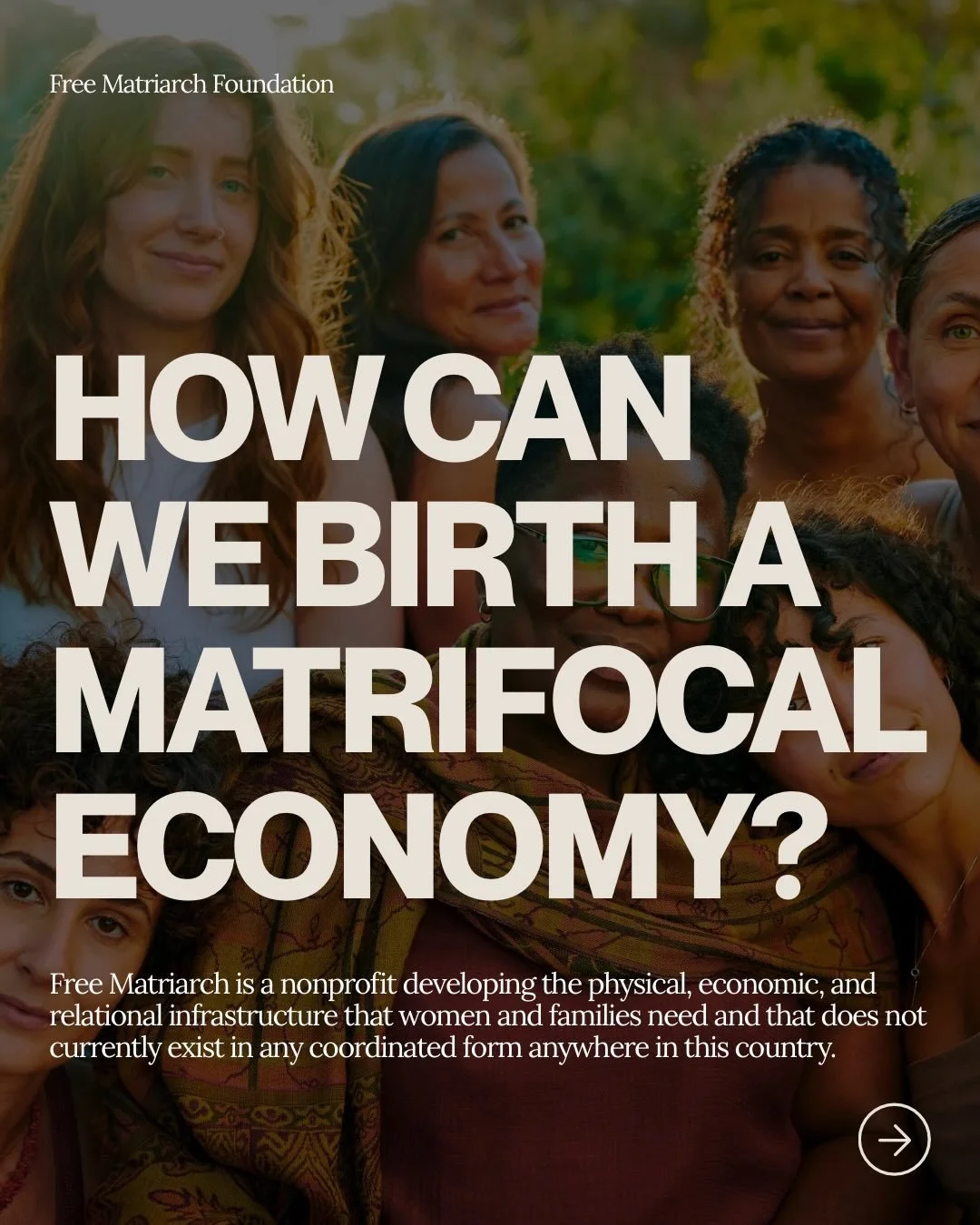
The proliferation of online support for women in processing their direct abuse, identifying systemic oppression, or bridging labor expectations within cishet relationships has given women an understanding of the scale of the problem. More and more women are disillusioned by the violence of the status quo.
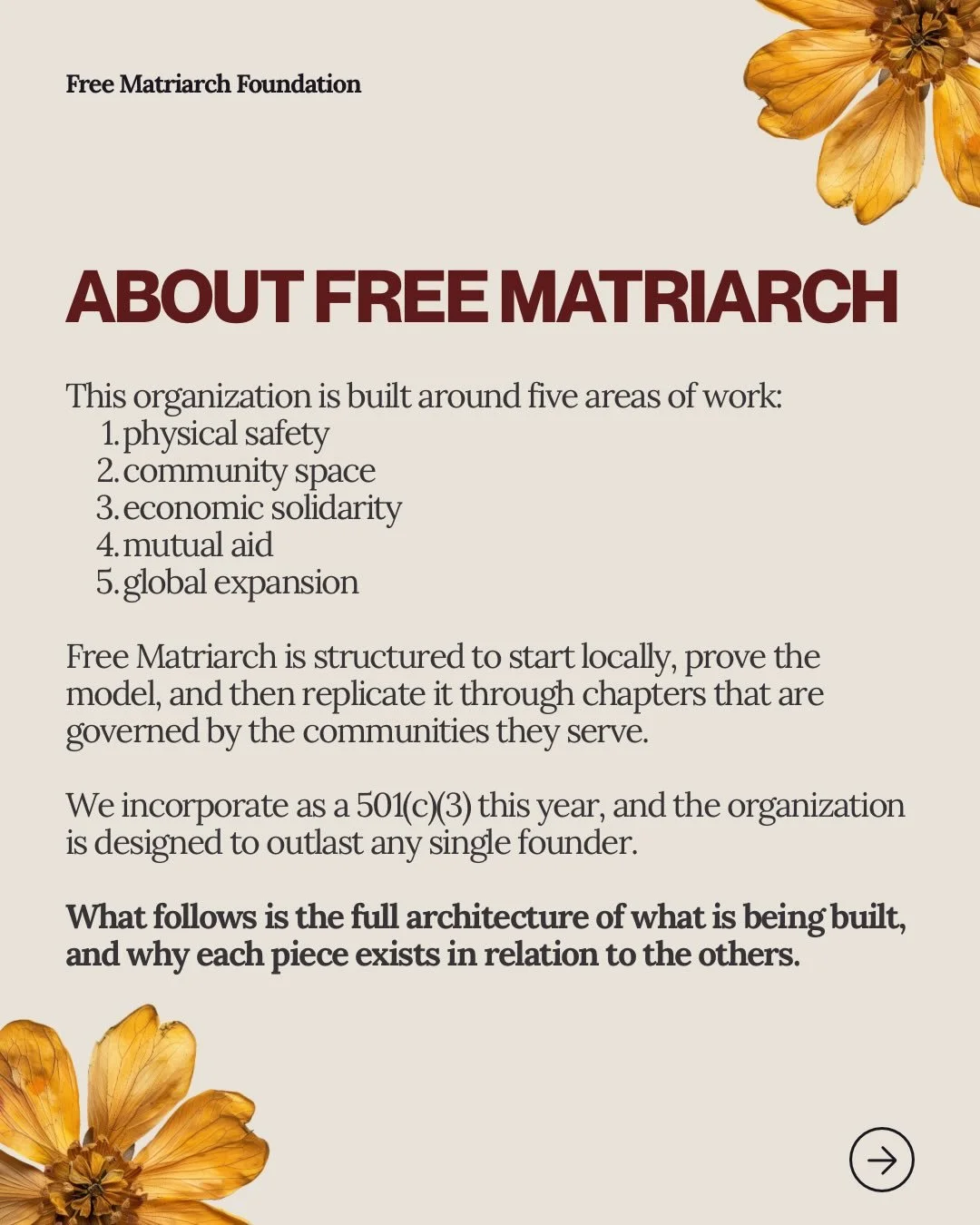
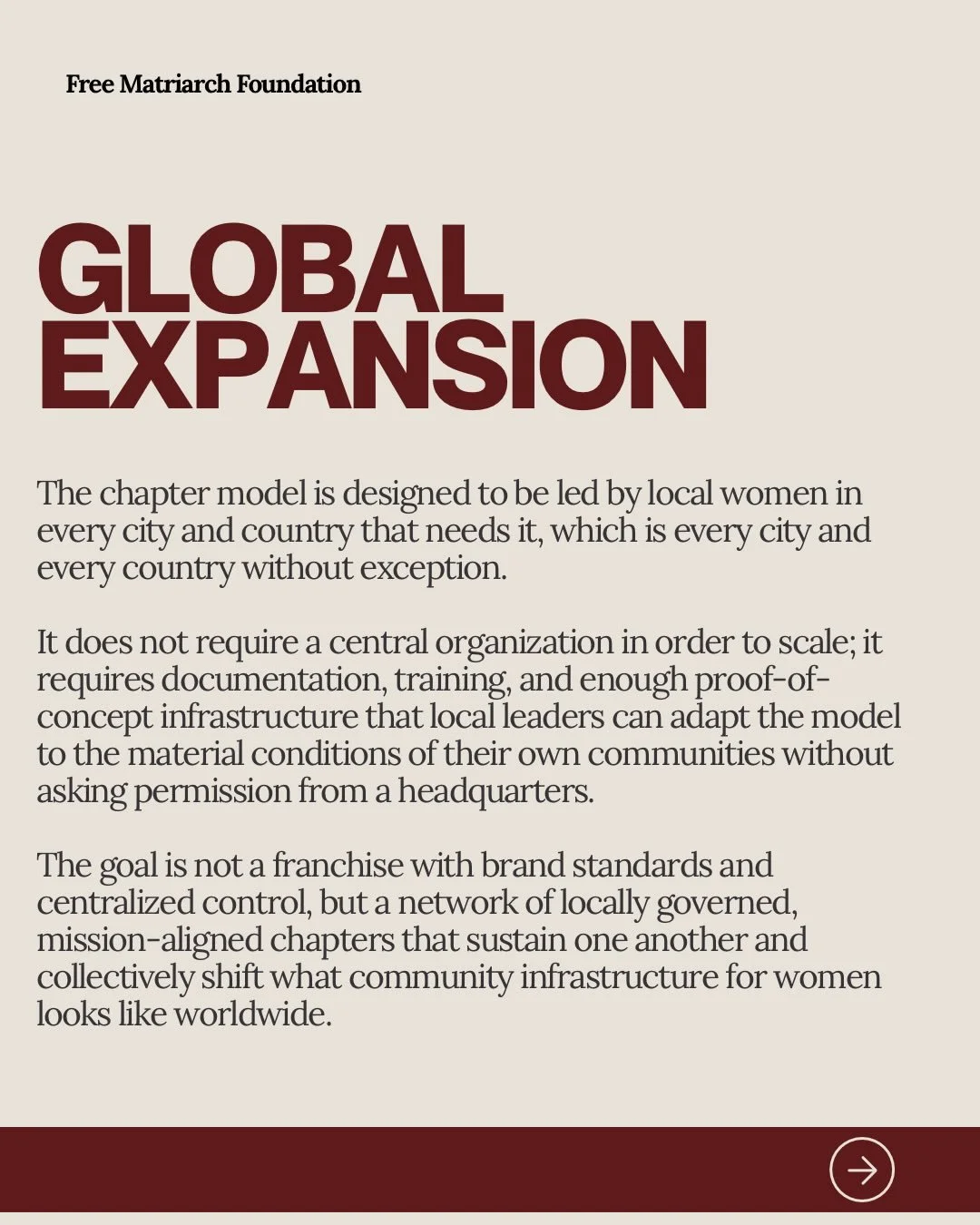
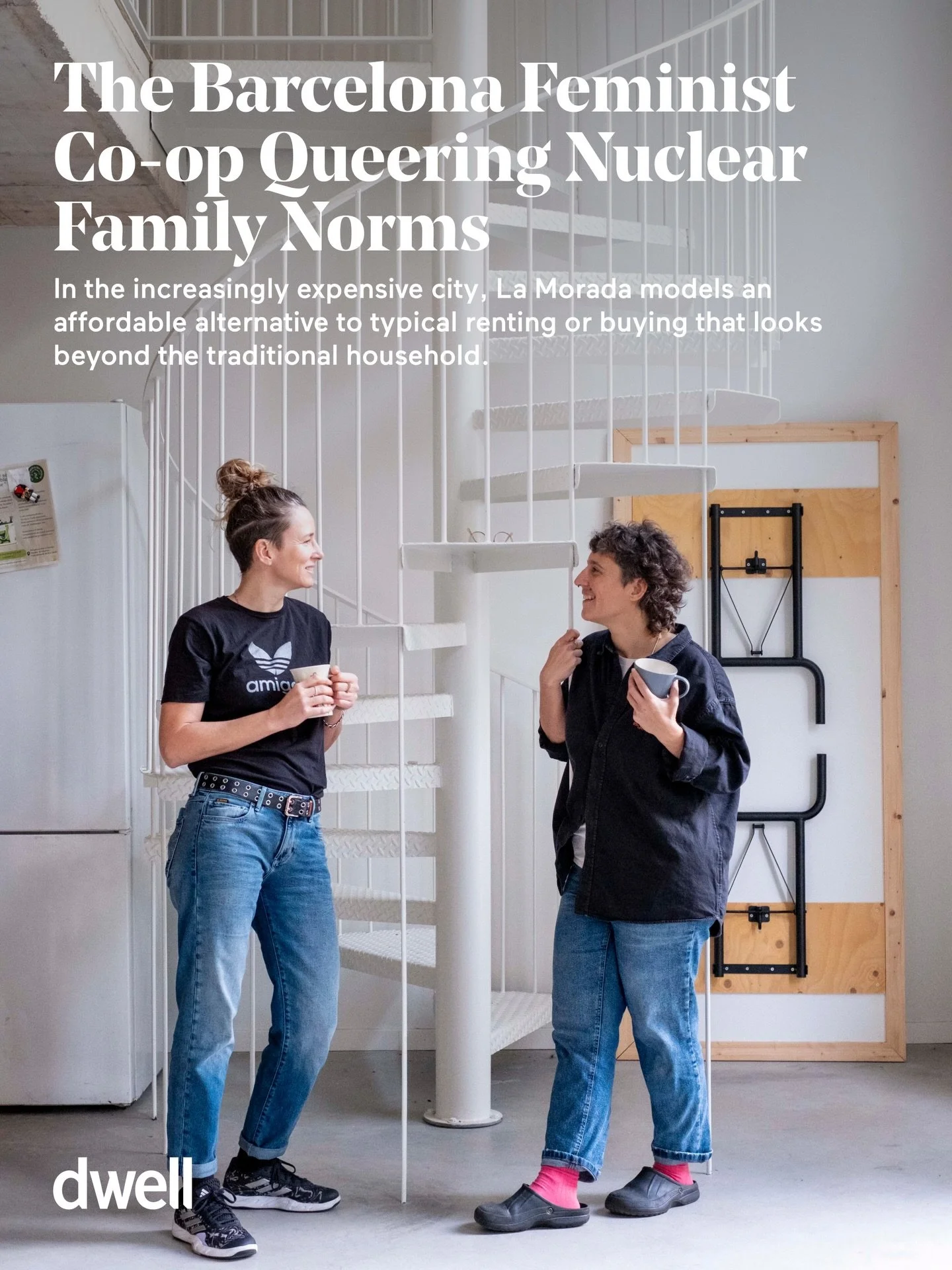
This has brought about an emerging ideal in which women buy properties with their friends, possibly co-raise children or live out their days under joint homeownership. The equal distribution of responsibility, an emotionally regulated household, and the centering of the self are all considerations to be made in living a life without men.
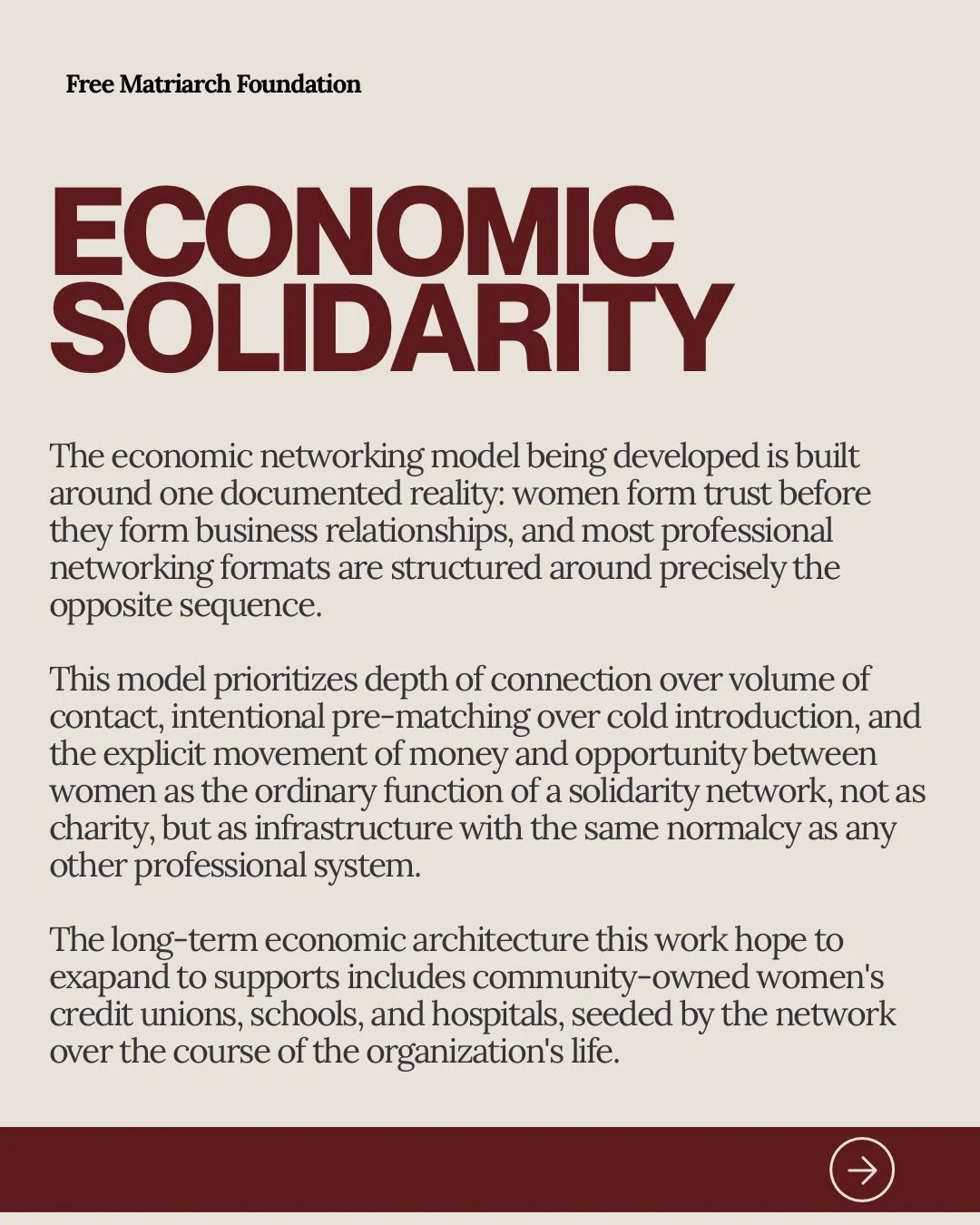
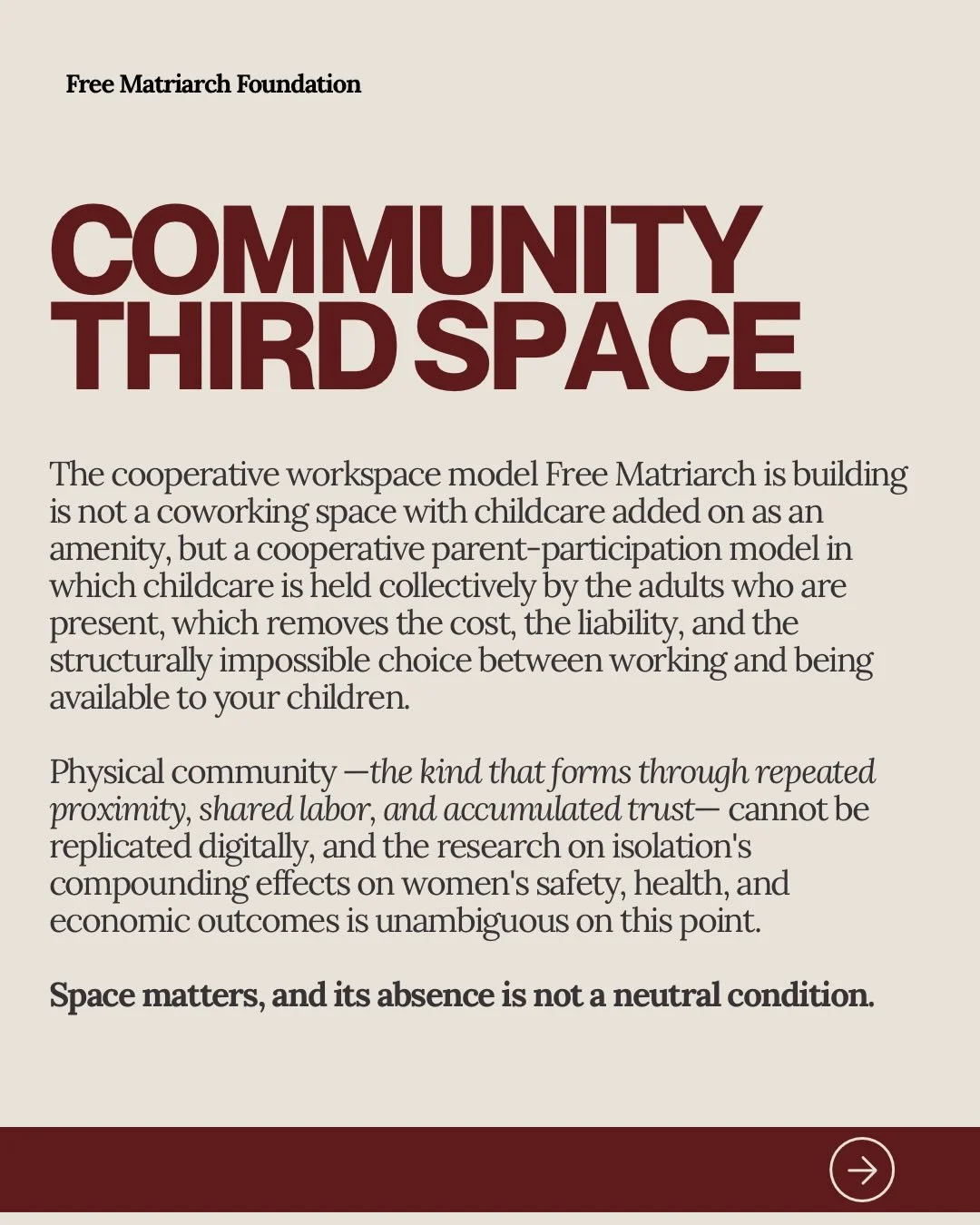
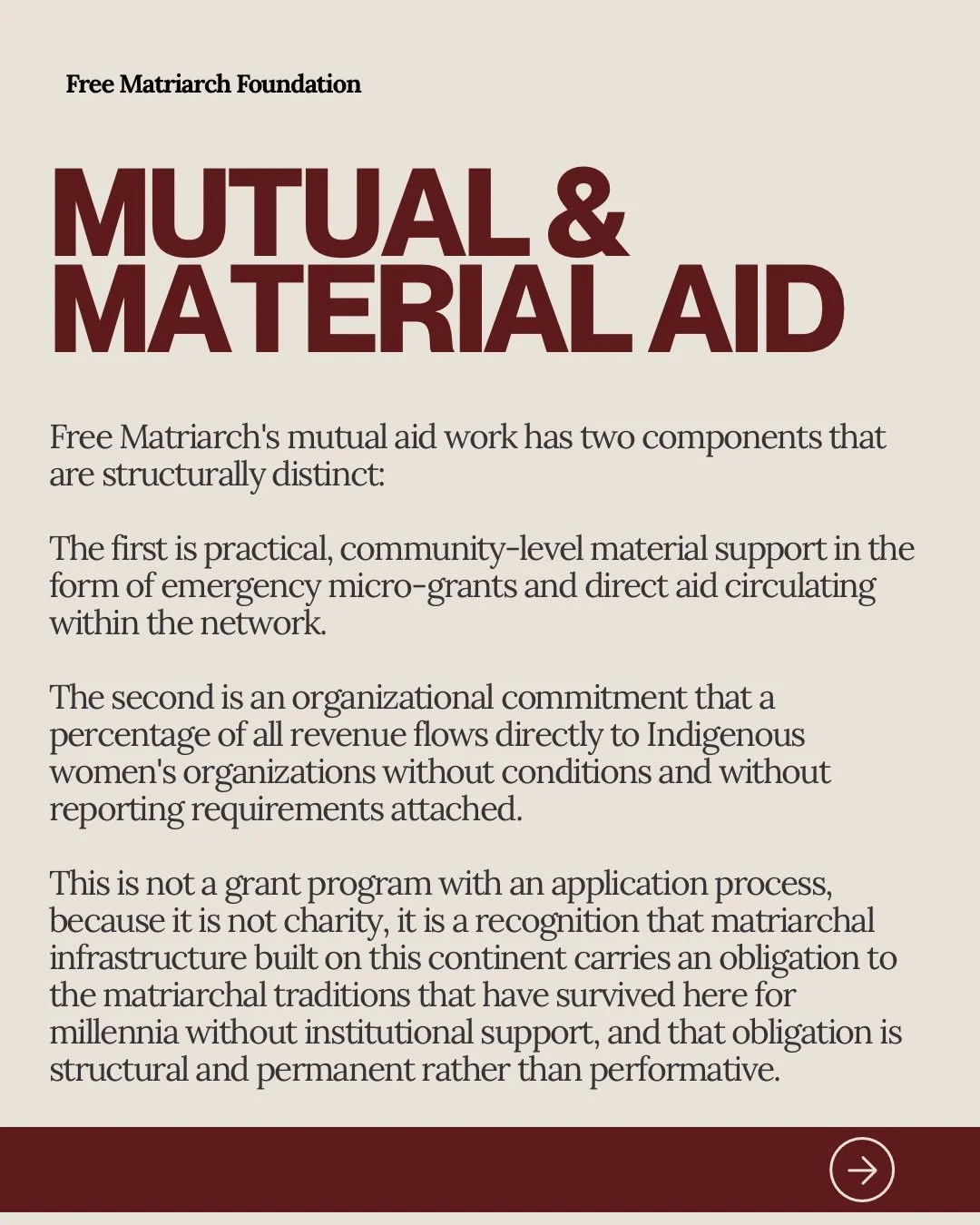
Parallel economies are already developing thanks to women’s education, financial independence, and reproductive autonomy. More women are choosing to leave men out, only dealing with female doctors, accountants, co-workers, and friends. Librarians, nurses (including hospice nurses), birth doulas, accountants, teachers are majority women, and doctors are almost at parity globally, so the decision is becoming easier to rely solely on women at critical points of life.
It is here that we understand the rise of an informal separatism. There exists a spectrum of the militarism-separatism complex that a growing number of women are taking part in. Inevitably, patriarchal backlash will require women to make the conscious choice to settle for patriarchal benevolence or fully commit to matriarchal ideals. After all, whenever women achieve independence historically, it is followed by property seizures disguised as witch hunts.
Long Term
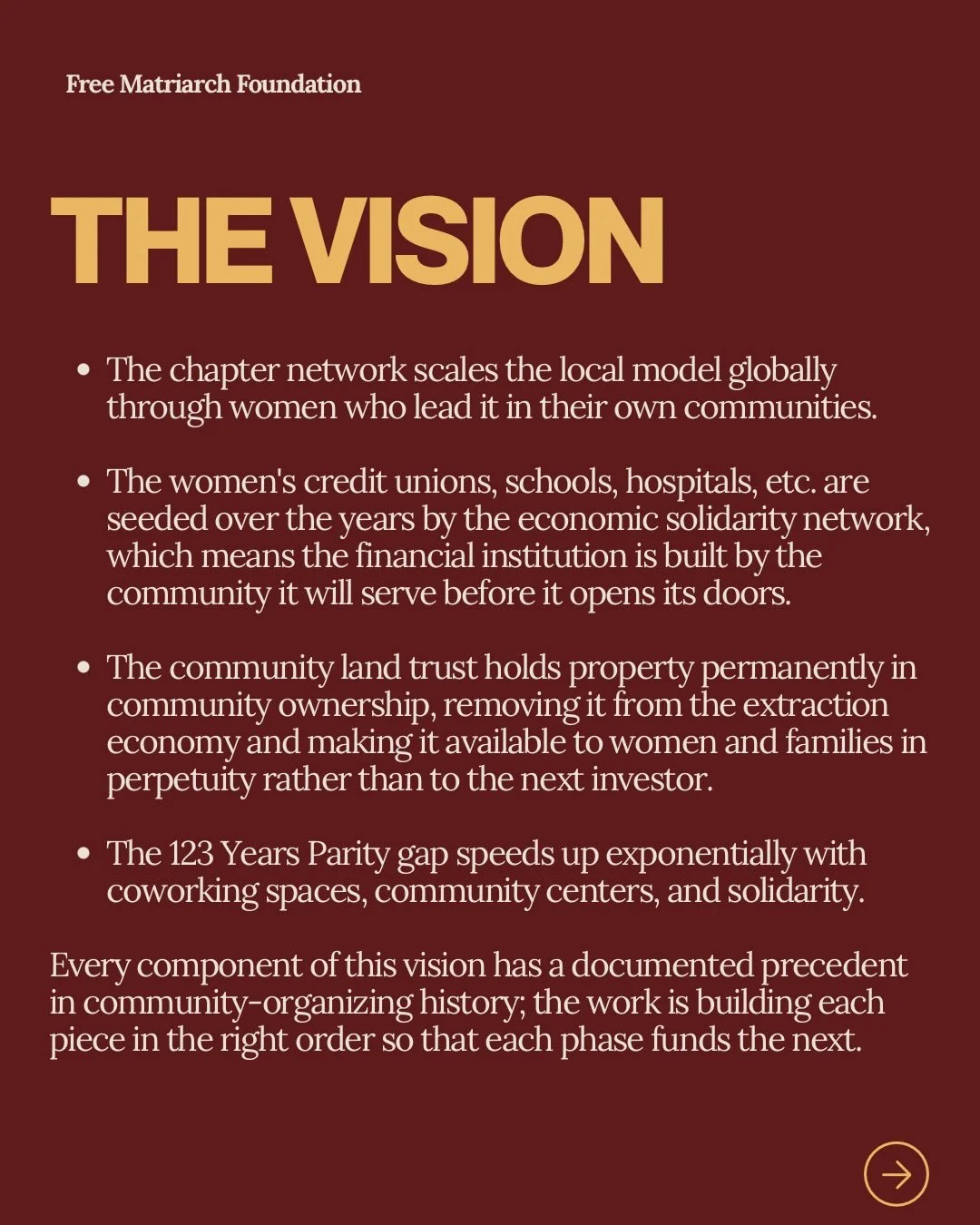
In the long-term, if one discounts the utopian vision of global matriarchal hegemony, matriarchal governance may look like a world-wide network of city-states and communes.

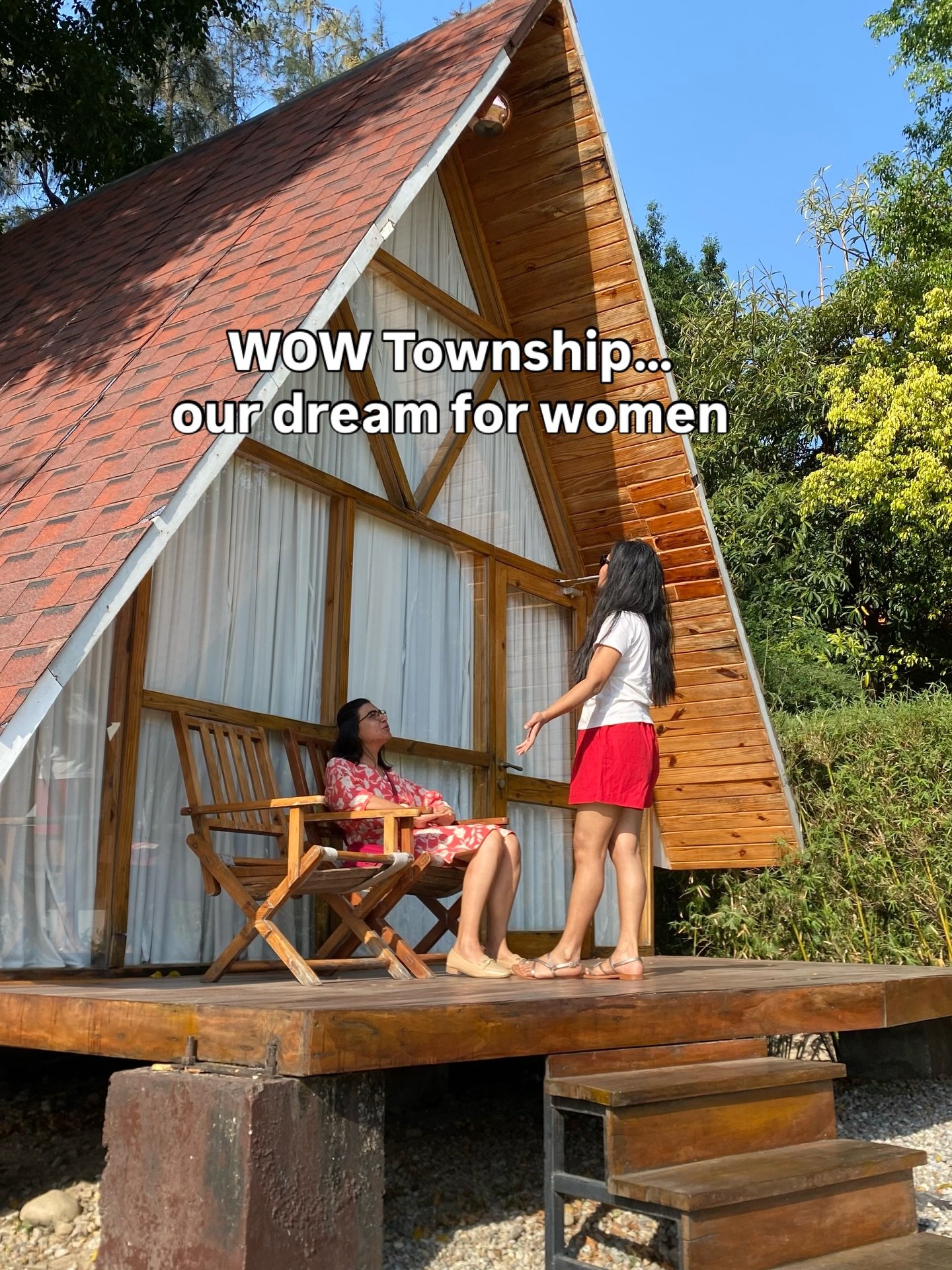



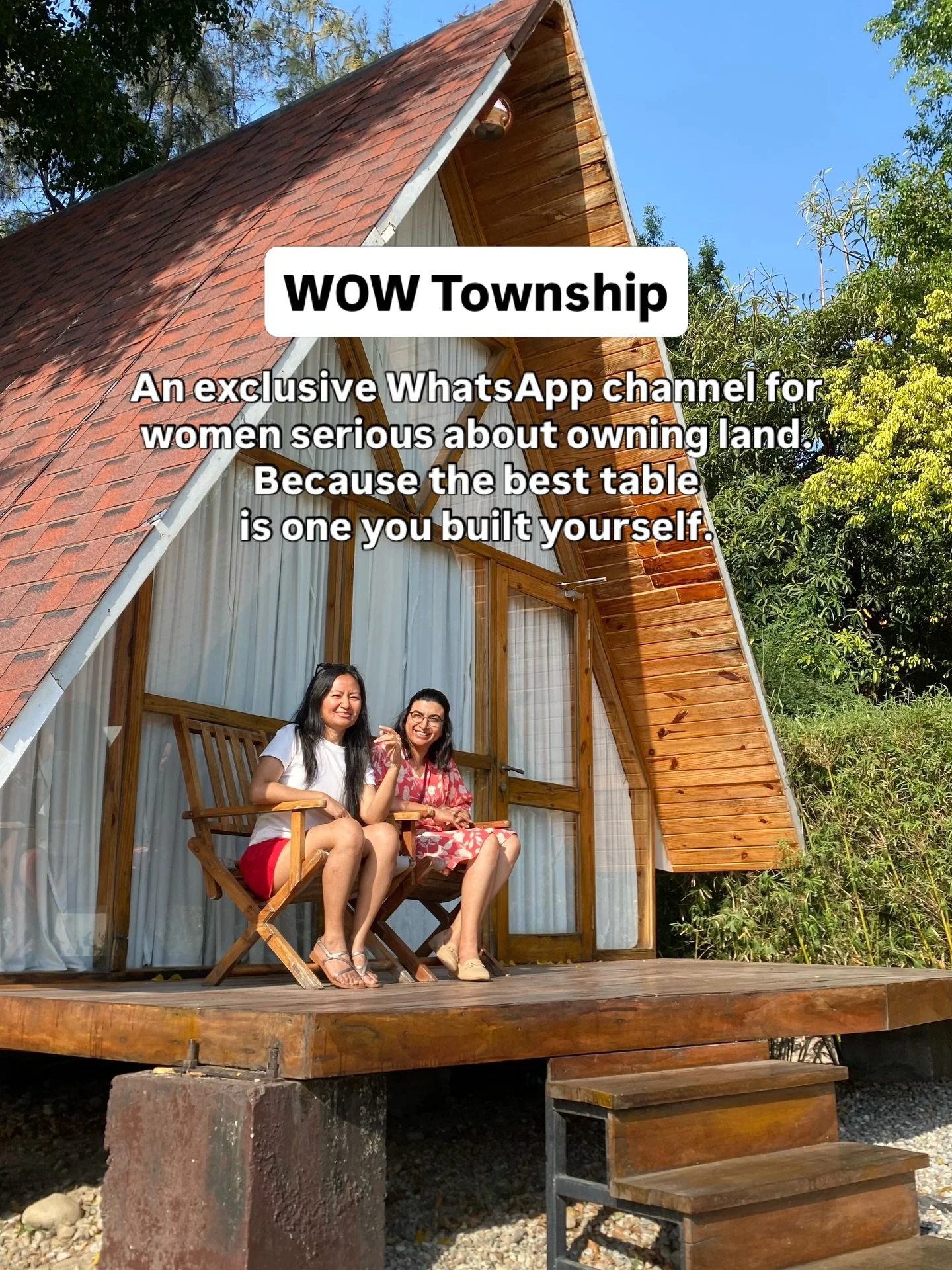
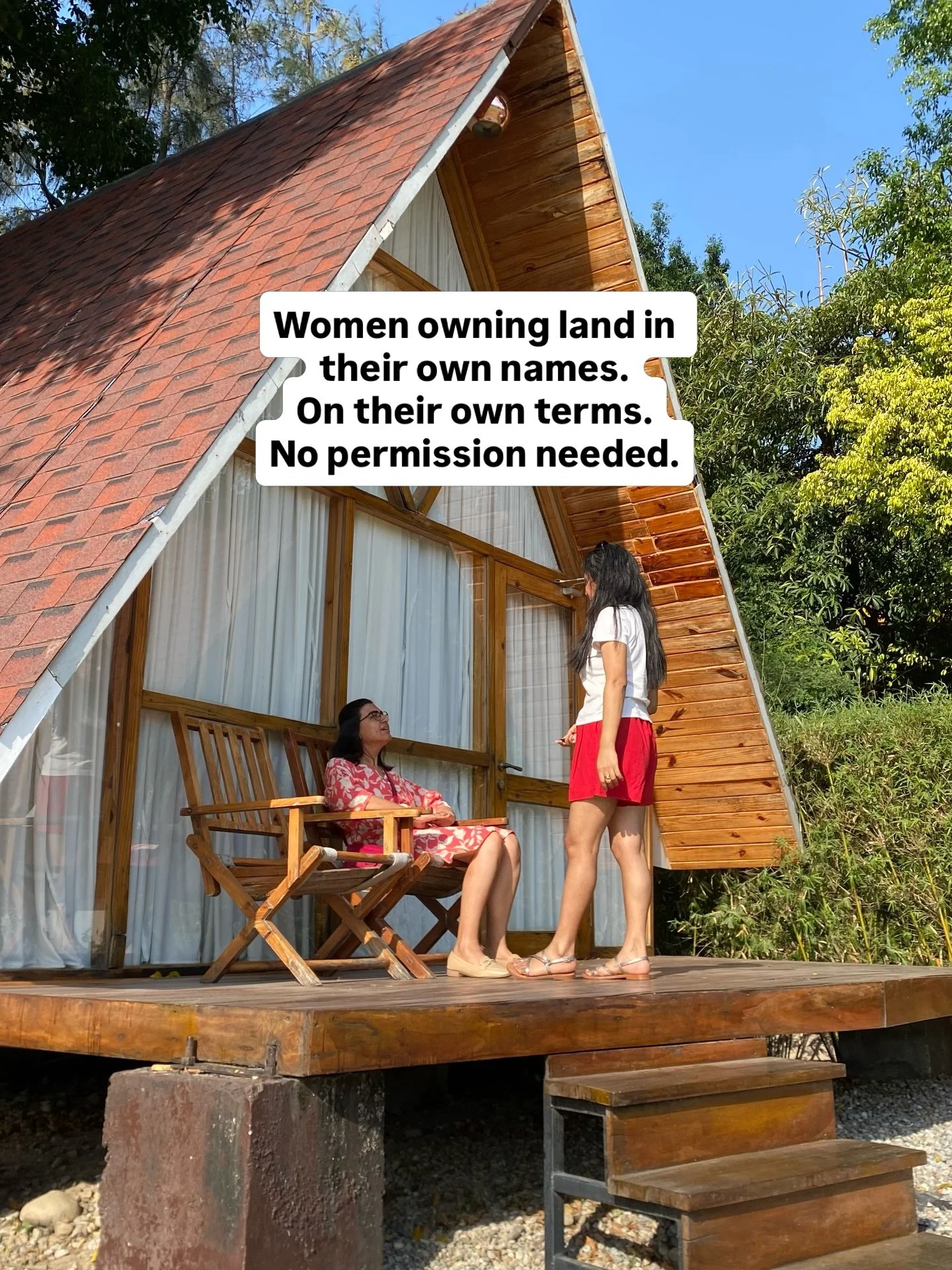
The most notable commune is Womyn’s Land, a matriarchal community in southern Oregon that stands as a lesbian separatist network that spans at least 1,000 acres. The community is invite-only and is formed on self-sufficiency, ecological integration, and stands as a sanctuary to systemic oppression. The community is exclusionary to all men, including male children, and has operated with extremely low to zero crime for the past 48 years.
Natural Selection, Eugenics and Culling
One long-term current within decentering men emphasizes increased militarism for lasting protection, and, for some, a culling.
Within 3 generations, the 4B movement in South Korea and women’s refusal to participate in misogynistic and abusive social norms has resulted in zero enrollment in kindergarten classes of 2024.

Some matriarchists espouse eugenicist ideas that 90% of men wouldn’t exist without patriarchy, if natural selection were left to itself. They argue that because many men lack the skills to thrive, women only need good genes, and that patriarchy is “DEI for men”. Among these ideas are some bioessentialist views that might be considered TERF aligned.
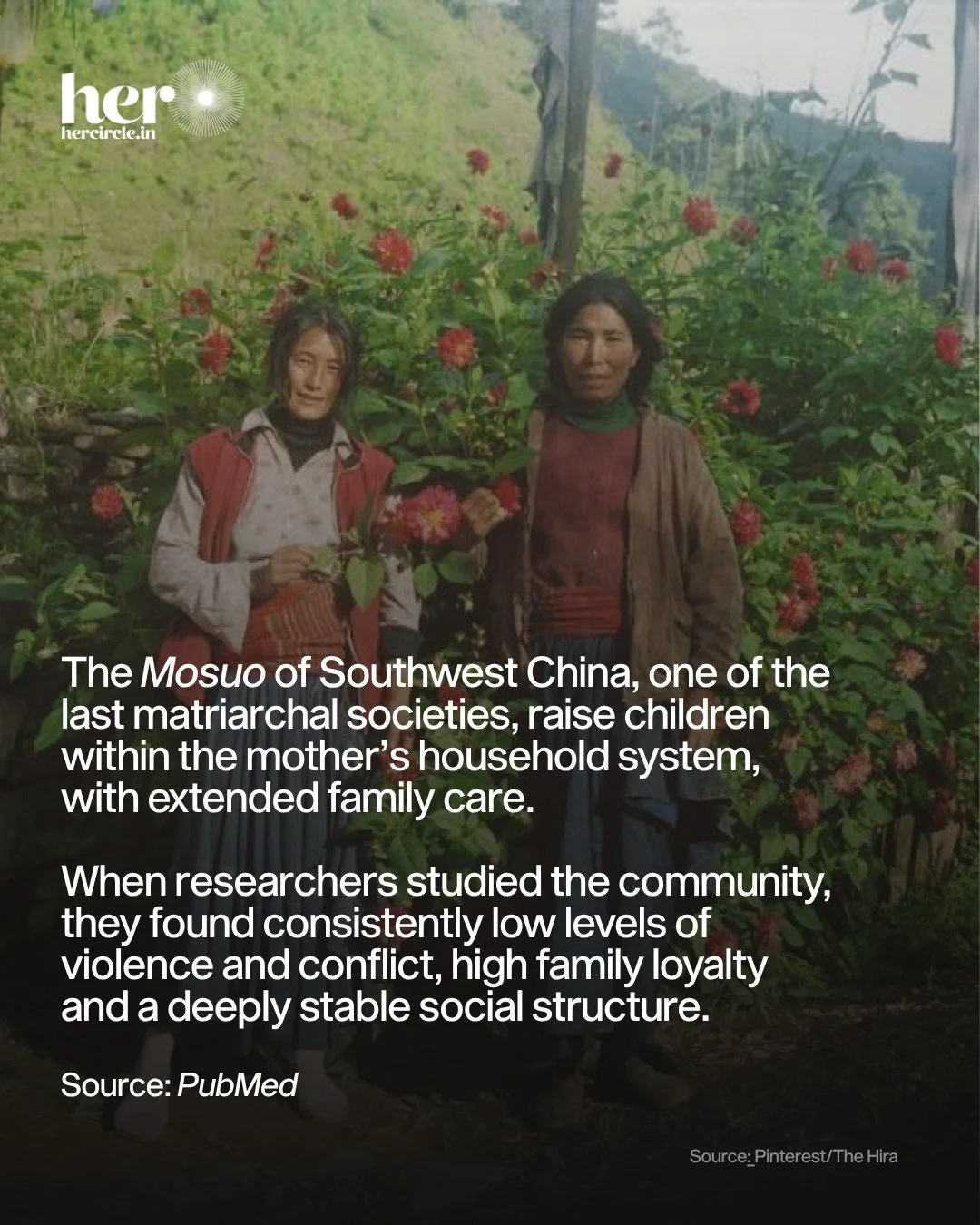
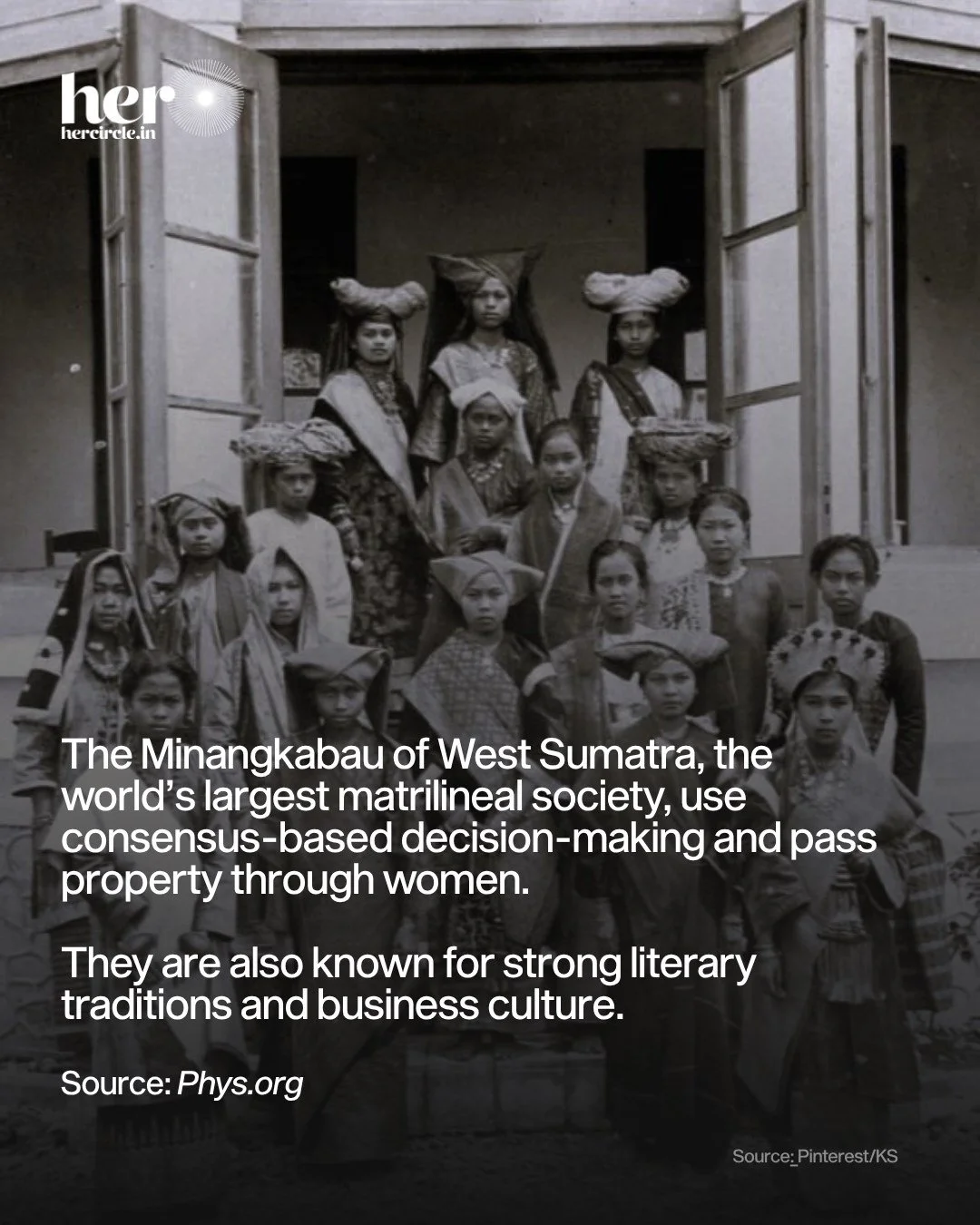
In terms of modeling after long-standing matriarchies, there is increased attention toward the practices of these societies: Indonesia’s matriarchal Minangkabau society, the Bribri matriarchy, the Paliwal village and the Mosuo matiararchy in China.
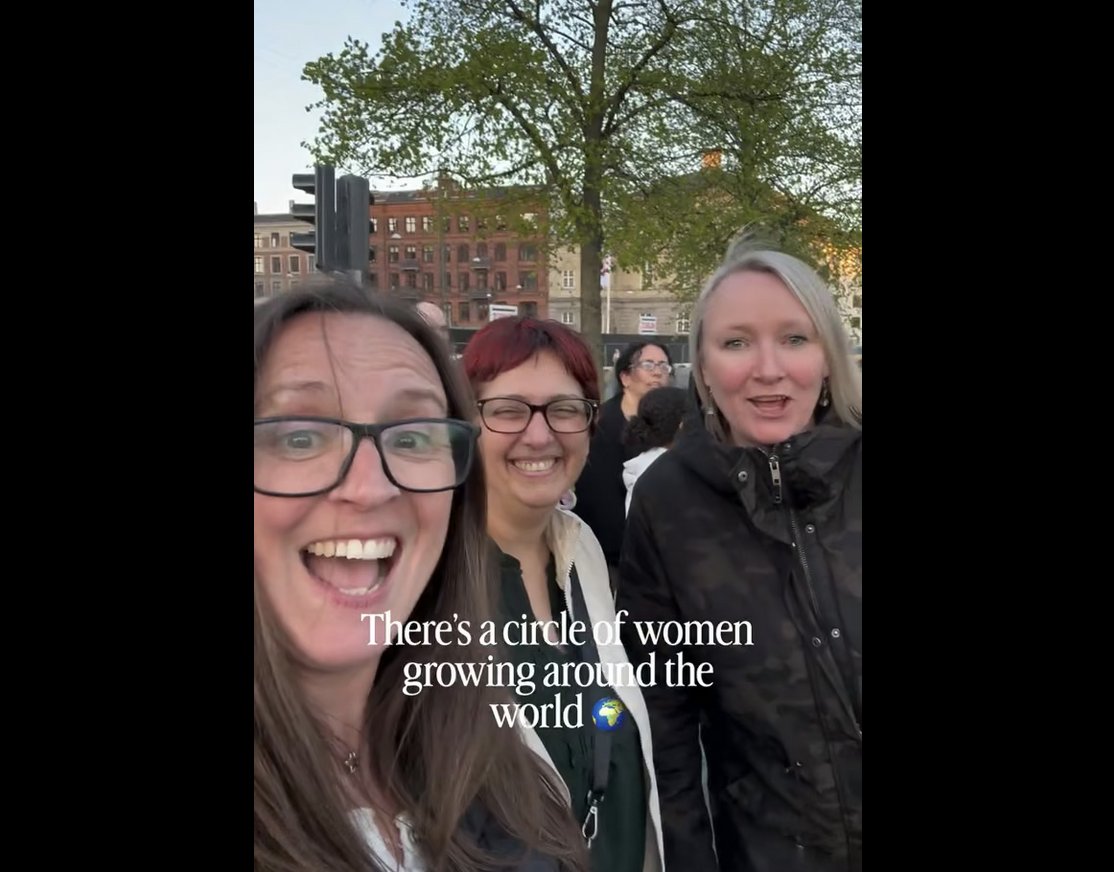
As travel and technology bring people, ideas and finances together, women are forming new kinds of international networks. Women seek out female only international coliving and digital nomad villages. Matriarchal moms gather in worldschooling hubs. Projects like Camp Château, where 300 women buy a castle and host retreats, take off.
Even as there is a lot of energy behind mobilizing, long term organization is an ongoing endeavor.
Challenges to Organizing Matriarchy
Fractured Definitions of Matriarchy

Disparate visions for matriarchy’s parameters present a challenge for a shared ethos. As noted above, matriarchy generally envisions shared power and care. Sometimes it means in community with men. Sometimes it means separatism away from men, including male children, as in the case of the Womyn’s Land commune. Sometimes it includes militaristic defense in a largely patriarchal world. Sometimes it means a society of childfree women entirely, with no vision for motherhood or a children-sustaining village. Or sometimes it means centering mothers, without addressing the role of childfree women. Sometimes it shows up as “love and light” spiritual bypassing, and ignores the material need to protect a new order from extractive forces, and the violent defense that will entail.
Very Few Actual Male Accomplices
Many progressive men still seek benefits by comparison to worse options. One could argue that “good men” are the “Democratic Party” of men. They wield and benefit from power but do nothing with it, in effect, enabling abusers. They leave the lifting to women and take credit for participation.
This reality might not be a big challenge, since it’s women who actually do the work of organizing. Whether in churches, the professional world, the home, the civil rights movement, anti-ICE mobilization, women mainly need to redirect their labor away from non-contributing men.
Retaliation
Old order craves control, and conservatives seek to destroy threats to their identity and stature in society. One of the many examples of this is the Tulsa Race Massacre, when an independent community of affluent black Americans were targeted for daring to exist in a system that demanded they submit to the hierarchy. Not to mention the history of witch trials against outspoken women or female communities that challenged their subservient position within the patriarchy.
Strategic Advantages to Organizing Matriarchy

Matriarchy organizers have key strategic advantages. First and foremost, patriarchy treats women as invisible unless they are consumable, so it’s easier to fly under the radar to build strong systems while the old order crumbles. This provides a long runway before greater retaliation. “If no one is coming to help you, no one is coming to stop you.”
Second, women’s withdrawal of labor starves the patriarchy, whose low standards and poor planning skills accelerate its own demise. Men are failing to keep up in a world built for them. Plus, women who were unfairly required to develop complex emotional understandings, assume familial responsibilities, and intricate cognitive processing regarding risk management at a young age can amplify parallel systems quickly. It only took a generation of financial freedom for women to see tremendous independence.
Third, more than ever, women operate as intersectional accomplices rather than a race and class fractured body. Fourth, women have more financial independence and power to invest in building a parallel world than ever before. And fifth, it’s an era of greater interconnectivity than ever before. From online organizing spaces to convenient global travels (flights to anywhere within 48 hours), moving people and ideas has never been easier. And with women’s inclination to travel more than men, their growing financial interest globally, and propensity to collaborate, the advantages can multiply quickly.
A stark difference between patriarchy and matriarchy is that the former requires women’s participation and compliance, whereas the latter does not require either from men. In a hierarchical social structure, there must be people at the bottom of the triangle for those at the top not to fall. It’s a very delicate system.
New Order Needs Protection from Old Sociopaths
There is a world that is literally eating the bodies of women, children, and animals alike. The patriarchy was created by violent males, it has been maintained by violent males, and will continue to be so till its very death. Anyone who decides to protect the new system must not get their empathy hijacked by sympathizing with the consequences on par with the violence enacted by abusers. They are not the same.
Many women emphasize that matriarchy isn’t a space that is ‘love and light’. Matriarchy is a ferocious reclaiming of the peace, rest, and sovereignty that was once a part of every life that chose to be here, and femmes and allies must be prepared to protect the new systems. Women must be prepared to fight for the emerging future of women. Women must be comfortable with violence, no longer being a victim of it but being violent women whose self preservation depends on it.
The matriarchy is not a system that can be upheld by spineless, undecided, and comfortable women - just those who are crazy enough to think eating kids is really, really bad.
————————————————————

If this piece provided valuable perspective today, please consider supporting our work. Thank you.
About the Author
Mahi Raju is a copywriter, influencer and the founder of The Matriarchy Revival Discord space.
Zerina Usmen is an American filmmaker. Her sci-fi feminist dramedy, “The Caliphate”, won best original screenplay at the 9th Annual Imagine This Women’s Film Festival.